Navigating the world of PC building for streaming can feel overwhelming, especially when trying to stick to a tight budget in 2026. This comprehensive guide helps you uncover the absolute best components and strategies for creating an affordable yet powerful streaming PC. We delve into CPU and GPU advancements, memory configurations, and storage solutions that deliver exceptional performance without breaking the bank. Learn how to optimize your settings, troubleshoot common issues like FPS drops and stuttering, and maximize your streaming quality for a variety of game genres. Whether you're a beginner or looking to upgrade an older system, our insights provide actionable tips and builds tailored for smooth, high-quality broadcasts. Discover the sweet spot where performance meets affordability. Get ready to launch your streaming career with confidence and a solid rig.
best budget streaming pc FAQ 2026 - 50+ Most Asked Questions Answered (Tips, Trick, Guide, How to, Bugs, Builds, Endgame)
Welcome, fellow gamers and aspiring streamers, to the ultimate living FAQ for the best budget streaming PC in 2026! The streaming landscape is constantly evolving, and keeping up with the latest hardware, software, and optimization techniques can be a challenge. This guide, updated for the latest technological advancements and game patches, aims to be your one-stop resource. We've compiled over 50 of the most asked questions from communities, forums, and search trends to provide clear, actionable answers. Whether you're battling ping, fixing FPS drops, or just starting your streaming journey, this comprehensive guide has you covered with tips, tricks, build advice, and bug fixes for a seamless streaming experience on a budget.
General Budget Streaming PC Questions
What is the ideal budget for a 2026 streaming PC?
The ideal budget for a 2026 streaming PC typically ranges from $700 to $1200 USD. This allows for a balanced system capable of 1080p 60fps streaming for most popular games. Going lower might compromise performance significantly, while higher budgets offer more headroom and better future-proofing for your streaming ambitions.
Can integrated graphics handle streaming in 2026?
Yes, modern integrated graphics, especially from AMD's latest APUs (e.g., Ryzen 5 8600G) or Intel's new i5/i7 chips, can handle streaming light-to-moderate games at 720p or even 1080p with optimized settings. They're surprisingly capable for casual streamers or those on an extremely tight budget, offering a decent entry point.
Is 16GB of RAM enough for budget streaming in 2026?
Absolutely, 16GB of DDR4 (3200MHz) or DDR5 (5200MHz+) RAM remains the minimum sweet spot for budget streaming in 2026. It provides sufficient memory for running most games and streaming software like OBS Studio simultaneously without significant performance bottlenecks. Dual-channel configuration is crucial for optimal performance.
What's the difference between CPU and GPU encoding for budget PCs?
CPU encoding (x264) uses your processor's power, offering high quality but potentially impacting game FPS. GPU encoding (like NVIDIA's NVENC or AMD's AMF) uses a dedicated chip on your graphics card, providing excellent quality with minimal impact on gaming performance, making it ideal for budget streaming PCs.
How important is an SSD for a budget streaming setup?
An SSD is critically important for a budget streaming setup. A fast NVMe SSD (at least 500GB) drastically improves boot times, game loading speeds, and overall system responsiveness. It makes your PC feel much snappier compared to traditional HDDs, which can reduce frustration and improve your workflow.
Should I buy a pre-built or build a budget streaming PC myself?
Building a budget streaming PC yourself often offers better value and allows for specific component selection. However, pre-built systems can be a good option if you find a sale or prefer convenience, often including warranty support. For budget-conscious users, DIY usually yields more performance per dollar spent.
What resolution should I stream at on a budget PC?
For most budget streaming PCs in 2026, streaming at 1080p (1920x1080) at 60 frames per second is the target. If your system struggles, dropping to 720p (1280x720) at 60fps is a perfectly acceptable and common compromise that still provides a good viewer experience without excessive strain on your hardware.
CPU and Motherboard Selection
What are the best budget CPUs for streaming in 2026?
For budget streaming in 2026, the AMD Ryzen 5 7600/7600X and Intel Core i5-13600K/14600K are excellent choices. They offer strong multi-core performance for simultaneous gaming and encoding. The Ryzen 5 5600X is still a viable, cheaper option on the AM4 platform.
Do I need a high-end motherboard for a budget streaming PC?
No, a high-end motherboard isn't necessary. A mid-range B-series chipset (e.g., B650 for AMD AM5, B760 for Intel LGA 1700) provides sufficient features, VRM quality, and connectivity for a budget streaming PC. Ensure it supports your chosen CPU and RAM speeds.
Myth vs Reality: Older generation CPUs can't stream.
Myth: Older generation CPUs are completely useless for streaming. Reality: While not ideal, an older CPU like an Intel i7-8700 or Ryzen 5 3600 can still stream lighter games or use GPU encoding effectively. Performance depends heavily on the specific chip and game complexity, but they're not entirely obsolete.
Is Intel or AMD better for budget streaming in 2026?
Both Intel and AMD offer compelling budget options in 2026. AMD's Ryzen platform often provides a better upgrade path with AM5, while Intel's higher-end i5s might have a slight edge in single-core performance. The choice often comes down to specific deals and ecosystem preference.
What CPU coolers are best for budget streaming builds?
For budget streaming builds, air coolers like the DeepCool AK400 or Thermalright Peerless Assassin 120 SE offer fantastic performance for their price. They keep your CPU temperatures in check, preventing thermal throttling during intense streaming sessions without the cost of an AIO liquid cooler.
GPU and Video Encoding Explained
Which budget GPUs offer the best streaming encoders in 2026?
The NVIDIA RTX 4060 (with 8th Gen NVENC) and AMD RX 7600/7700 XT (with improved AMF encoder) are top budget GPU choices for streaming in 2026. NVIDIA generally holds a slight edge in encoder quality and efficiency with NVENC, making it a strong recommendation.
Myth vs Reality: More VRAM automatically means better streaming.
Myth: More VRAM inherently makes your stream quality better. Reality: While sufficient VRAM (8GB for 1080p in 2026) is crucial to avoid performance bottlenecks, going beyond that doesn't directly improve stream *quality*. It helps maintain higher in-game FPS, which indirectly benefits stream smoothness.
Can I use two GPUs in a budget setup for dedicated encoding?
Using two GPUs for dedicated encoding in a budget setup is generally not recommended in 2026. Modern single GPUs have highly efficient dedicated encoders (NVENC/AMF) that outperform older dual-GPU solutions, which often introduce driver complexity, power consumption issues, and minimal real-world benefit for the cost.
What are the benefits of AV1 encoding for budget streamers?
AV1 encoding, now supported by some 2026 GPUs like the RTX 40-series and RX 7000-series, offers significantly better compression efficiency than H.264. This means you can achieve higher quality streams at lower bitrates, which is a huge benefit for budget streamers with limited upload speeds or those targeting higher fidelity.
RAM and Storage Essentials
How much RAM speed matters for budget streaming?
RAM speed matters significantly. For DDR4, aim for 3200MHz to 3600MHz. For DDR5, 5200MHz to 6000MHz is the sweet spot. Faster RAM improves CPU performance, especially with AMD Ryzen chips, leading to smoother gameplay and more stable frame rates while streaming. Ensure your motherboard supports these speeds.
Myth vs Reality: You need 32GB of RAM for any streaming PC.
Myth: Every streaming PC needs 32GB of RAM. Reality: While 32GB is great for heavy multitasking or professional workflows, 16GB is perfectly adequate for most budget streaming scenarios in 2026, especially for 1080p gaming and streaming. Allocate your budget wisely.
What type of storage is best for games and streaming software?
An NVMe SSD is best for both games and streaming software. Aim for a 500GB to 1TB NVMe PCIe Gen 4 drive. This provides rapid load times and responsiveness. A secondary SATA SSD or HDD can be used for storing VODs or less frequently played games to save costs.
Should I get one large SSD or multiple smaller ones for a budget build?
For a budget build, one larger NVMe SSD (1TB) is generally better than multiple smaller ones. It simplifies storage management, often offers better pricing per gigabyte, and ensures all your crucial applications and primary games benefit from the fastest speeds.
Power Supply and Case Selection
How to choose a reliable power supply (PSU) for a budget streaming PC?
Choose a PSU with sufficient wattage (550W-750W for most budget builds), an 80 Plus Bronze or Gold rating for efficiency, and from a reputable brand (e.g., Corsair, Seasonic, EVGA). Don't compromise on the PSU; it powers all your components reliably. Use a PSU calculator online.
Myth vs Reality: PSU wattage needs to be double your system's consumption.
Myth: You need a PSU with wattage far exceeding your system's actual consumption. Reality: A PSU that provides 1.5 to 2 times your system's *estimated peak* power draw is a good guideline. Excessive wattage is wasteful, but too little can cause instability. A 650W PSU is often perfect for a budget streaming rig.
What kind of PC case is ideal for a budget streaming setup?
An ideal budget PC case prioritizes good airflow, decent cable management options, and compatibility with your chosen components. Look for cases with mesh fronts and included fans. Brands like Montech, DeepCool, or Phanteks offer great budget-friendly options that ensure proper cooling.
Networking and Connectivity
How can I improve my internet speed and reduce ping for streaming?
Always use a wired Ethernet connection for your streaming PC to minimize ping and ensure stability. Ensure your internet plan offers sufficient upload speed (at least 10-20 Mbps for 1080p streaming). Optimize router QoS settings and avoid network congestion from other devices.
What kind of webcam and microphone should a budget streamer use?
For a budget streamer, a decent 1080p webcam like the Logitech C920 series or similar off-brand models offers good video quality. For audio, a USB condenser microphone such as the HyperX SoloCast or Blue Yeti Nano provides significantly better sound than a headset mic, enhancing stream professionalism.
Do I need a capture card for a budget streaming PC?
You typically do not need a capture card if you're streaming PC games from the same PC. Modern GPUs handle encoding efficiently. A capture card is primarily needed if you're streaming from a console or using a dedicated two-PC streaming setup, which isn't budget-friendly.
Software and Optimization Tips
What are the best free streaming software options for budget users?
OBS Studio is the undisputed champion for free streaming software for budget users. It's powerful, highly customizable, and open-source. Streamlabs Desktop is another popular free option that's more user-friendly but can be slightly more resource-intensive.
How do I optimize Windows for better streaming performance?
Optimize Windows by enabling Game Mode, disabling unnecessary background apps and startup programs, updating all drivers, and keeping your OS current. Adjust visual effects for performance, and ensure your power plan is set to 'High Performance' while streaming. Regular disk cleanup also helps.
Myth vs Reality: Paid streaming software is always better.
Myth: You need to pay for streaming software to get good quality. Reality: OBS Studio, being free and open-source, offers professional-grade features and quality that compete with or even surpass many paid solutions. Its community support and plugins are invaluable for budget streamers.
What are essential OBS Studio settings for low-end PCs?
For low-end PCs, use GPU encoding (NVENC/AMF), set output resolution to 720p 30fps, use a fast downscale filter (Bilinear or Bicubic), and keep your bitrate conservative (2500-4000 Kbps). Minimize complex scenes and animations to reduce resource usage.
Troubleshooting Common Issues
How to fix FPS drops during streaming on a budget PC?
To fix FPS drops, update GPU drivers, lower in-game graphics settings, close all unnecessary background programs, use GPU encoding, ensure proper PC cooling to prevent thermal throttling, and reduce your OBS output resolution or bitrate. Monitor task manager for resource hogs.
Why is my stream stuttering and how can I fix it?
Stream stuttering can be caused by insufficient RAM, an overloaded CPU/GPU, or unstable internet. Ensure you have 16GB+ RAM, use GPU encoding, update drivers, check for background tasks, and verify your internet's upload speed and stability. Lowering stream resolution/bitrate can also help.
How can I reduce high ping and lag in online games while streaming?
Always use a wired Ethernet connection. Ensure your internet service provider delivers adequate upload speed. Use QoS settings on your router to prioritize gaming/streaming traffic. Close bandwidth-intensive applications on other network devices. Choose game servers geographically closer to you.
Myth vs Reality: Changing OBS settings too much breaks everything.
Myth: Tinkering with OBS settings will inevitably break your stream. Reality: While it can be daunting, careful, incremental changes to OBS settings are necessary for optimization. Always test new settings offline first, or do a short private stream, to avoid disruptions during a live broadcast.
What should I do if my budget PC is overheating while streaming?
If your PC is overheating, ensure your case has good airflow and all fans are clean and functioning. Consider upgrading your CPU cooler to an aftermarket air cooler. Clean out dust from components, especially heatsinks. Ensure proper thermal paste application and verify ambient room temperature.
Budget PC Builds and Upgrades
What's a good entry-level budget streaming PC build for $700?
A $700 build could include an AMD Ryzen 5 5600, a B550 motherboard, 16GB DDR4-3200 RAM, an RX 6600 GPU, a 500GB NVMe SSD, and a 550W Bronze PSU. This setup delivers solid 1080p gaming and streaming performance for less demanding titles.
How can I upgrade my existing budget PC for better streaming?
To upgrade, prioritize a stronger GPU (e.g., RTX 4060) for better encoding, increase RAM to 16GB or 32GB if needed, and ensure you have a fast NVMe SSD. A CPU upgrade to a more modern mid-range option (e.g., Ryzen 5 7600) can also significantly boost performance if your motherboard supports it.
Myth vs Reality: You must buy all new parts for a budget upgrade.
Myth: A budget upgrade means replacing every component. Reality: Smart budget upgrading focuses on bottlenecks. Often, replacing just the GPU, adding more RAM, or upgrading your CPU on the same motherboard can yield significant performance improvements without needing an entirely new build.
Are refurbished components safe for a budget streaming PC?
Refurbished components can be safe and offer excellent value for a budget streaming PC, especially for GPUs or CPUs from reputable sellers with a warranty. Always research the seller, check return policies, and prioritize components like GPUs and CPUs with some form of guarantee.
What's the most cost-effective component to upgrade first?
The most cost-effective component to upgrade first for better streaming is often your GPU, particularly if it lacks a modern encoder or is significantly underpowered. A new GPU often provides the biggest performance leap in both gaming and dedicated encoding capabilities for your money.
Game-Specific Streaming Advice
What's the best budget PC setup for streaming FPS games (e.g., Valorant, CS2)?
For FPS games, prioritize a CPU with strong single-core performance (Intel i5-13600K, Ryzen 5 7600) and a GPU that can consistently push high frame rates (RTX 4060, RX 7700 XT). High refresh rate monitors (144Hz+) are also crucial for your gaming experience.
Budget streaming MOBA games (e.g., LoL, Dota 2) recommendations?
MOBA games are less graphically demanding, so a budget streaming PC excels here. A Ryzen 5 5600/7600 or Intel i5-12400/13400 with integrated graphics or an entry-level GPU (GTX 1660 Super, RX 6600) and 16GB RAM will easily handle 1080p 60fps streaming.
Streaming RPGs (e.g., Baldur's Gate 3, Starfield) on a budget?
RPGs can be demanding. For budget streaming, focus on a balanced system with a decent mid-range CPU (Ryzen 5 7600, i5-13600K) and at least an RTX 3060/4060 or RX 6700 XT. You might need to adjust in-game settings to medium/high for stable 1080p 60fps streaming.
How to optimize for Battle Royale games (e.g., Warzone, Fortnite)?
Battle Royale games require a good CPU, ample RAM, and a capable GPU. Optimize by lowering in-game settings (view distance is key), using GPU encoding, ensuring 16GB+ RAM, and closing background apps. A fast SSD helps with quick loading into matches.
Advanced Tips and Tricks
Using two monitors with a budget streaming PC, is it viable?
Yes, using two monitors is viable. Your primary monitor for gaming (ideally 144Hz+) and a secondary monitor (60Hz) for chat and OBS are common. Ensure your GPU has enough display outputs and can handle the combined load. GPU encoding minimizes performance impact.
Myth vs Reality: Overclocking is essential for budget streaming.
Myth: You absolutely must overclock your CPU/GPU for a budget streaming PC. Reality: While it can offer marginal gains, modern CPUs and GPUs are very efficient out of the box. Overclocking adds complexity, heat, and potential instability, which is generally not worth it for a stable budget streaming experience.
What are some crucial hotkeys and shortcuts for budget streamers?
Set up hotkeys in OBS for starting/stopping stream, muting/unmuting mic, switching scenes, and muting desktop audio. These allow for quick, seamless control during your stream without needing to alt-tab, maintaining viewer engagement and stream flow.
How to record gameplay and stream simultaneously on a budget?
To record and stream simultaneously, use your GPU's encoder (NVENC/AMF) for both tasks. Set separate output settings in OBS (e.g., stream at 1080p, record at 1440p or higher bitrate). Ensure you have ample SSD space for recordings. Monitor your CPU/GPU usage closely during tests.
Endgame Grind and Future Considerations
What's the long-term outlook for budget streaming hardware in 2026?
The long-term outlook for budget streaming hardware in 2026 is positive. Continued advancements in integrated graphics, more efficient dedicated encoders, and general price reductions on older-generation hardware will make powerful streaming setups even more accessible to budget-conscious users.
Myth vs Reality: Budget PCs will become obsolete quickly.
Myth: A budget streaming PC built today will be obsolete next year. Reality: A well-planned budget PC from 2026, especially one with a good upgrade path, will remain capable for several years. Strategic upgrades to key components can extend its lifespan considerably, offering excellent value.
How often should I consider upgrading my budget streaming PC?
Consider upgrading your budget streaming PC every 2-4 years, or when you notice significant performance bottlenecks in new games or streaming demands. Focus on incremental upgrades like GPU, CPU, or RAM, rather than a full system overhaul, to manage costs effectively.
What are some essential accessories for a budget streaming setup?
Essential accessories include a comfortable gaming headset, a decent webcam, a dedicated USB microphone (e.g., HyperX SoloCast), and potentially an LED light for better video quality. A sturdy desk and comfortable chair also enhance your long-term streaming experience.
Tips for finding the best deals on budget PC parts in 2026?
Shop during major sales events (Black Friday, Prime Day), compare prices across multiple retailers, look for open-box or refurbished deals from reputable vendors, and use price tracking websites. Don't be afraid to mix and match components from different brands to find the best value.
How can I make my budget streaming PC setup look professional?
To make your budget setup look professional, focus on good lighting (even cheap LED desk lamps), a clean background, and neat cable management. Invest in a decent microphone for clear audio, and use free stream overlays from sites like StreamElements or NerdOrDie. Presentation goes a long way!
Bugs & Fixes: Common Budget Streaming PC Glitches
My OBS preview is laggy but the stream is fine, what's wrong?
If your OBS preview is laggy but your live stream looks good, it's often a display issue. Try disabling 'Enable Preview' in OBS if you don't need it. Reduce the preview resolution, or ensure your GPU drivers are up-to-date. This usually doesn't affect your viewers.
Game audio is too loud or too quiet on stream, how to balance?
Use OBS's audio mixer to adjust individual audio sources. Set your game audio, mic, and desktop sound levels independently. Utilize compressor filters on your microphone to even out volume. Use a VST plugin like 'ReaGate' for noise suppression to clean up your mic audio.
Myth vs Reality: You need a dedicated sound card for good stream audio.
Myth: A dedicated sound card is crucial for high-quality stream audio. Reality: Modern motherboard integrated audio is perfectly adequate for most budget streamers when paired with a good USB microphone. Dedicated sound cards offer marginal benefits for streaming and are not a budget priority.
My webcam keeps freezing during stream, what's the fix?
Webcam freezing can be a driver issue, USB port problem, or resource conflict. Try updating your webcam drivers, plugging it into a different USB port (preferably a USB 3.0 or higher), or reducing its resolution/FPS in OBS. Check for background applications using the camera.
Why do my stream viewers complain about pixelation?
Pixelation usually indicates an insufficient bitrate for your chosen resolution and frame rate. Increase your bitrate in OBS (up to your platform's recommended maximum) or reduce your output resolution (e.g., from 1080p to 720p). A faster, wired internet connection helps maintain consistent bitrate.
How to deal with stream dropping frames issue on a budget PC?
Dropped frames often point to network instability or an overloaded encoder. Ensure a wired Ethernet connection. If it's encoder overload, lower your game's graphics settings, reduce OBS output resolution/bitrate, or upgrade your GPU. Check your internet upload speed consistently.
Still have questions?
This living FAQ is constantly updated! If you still have questions or encounter specific issues with your budget streaming PC, feel free to dive into our related guides like 'Ultimate OBS Studio Optimization Guide 2026' or 'Beginner's Guide to Building Your First Gaming PC'. Join our community forums to get personalized advice and connect with other budget-minded streamers!
Are you wondering if it's truly possible to build a beastly streaming PC without completely emptying your wallet in 2026? We've all seen those high-end rigs, right? The ones that make your bank account weep just looking at them. But fear not, aspiring content creators and casual streamers! The good news is that modern technology has advanced incredibly. Building a capable budget streaming PC is not just a pipe dream anymore. It is a very real, achievable goal for many. This guide will walk you through the essential components. We will discuss crucial settings optimization. You will learn how to troubleshoot common issues like ping spikes, FPS drops, and irritating stuttering. Get ready to elevate your streaming game. All this is possible without needing a celebrity-level budget.
For years, the conventional wisdom dictated that a powerful streaming PC required top-tier, expensive hardware. This often meant sacrificing either game performance or stream quality. Thankfully, 2026 brings some exciting developments. Manufacturers are focusing on integrated encoding solutions and more efficient processors. This means you can achieve impressive results with more modest investments. We're talking smooth 1080p 60fps streams. This is suitable for popular titles in FPS, MOBA, RPG, and even Battle Royale genres. We will even touch on Indie and MMO experiences. This is your ultimate resource for making smart choices. You can build a system that performs like a pro, even on a beginner's budget.
Beginner / Core Concepts
1. Q: What exactly is a budget streaming PC, and why should I care about it in 2026?
A: Hey there! I get why this confuses so many people, especially with all the fancy tech terms flying around. A budget streaming PC is essentially a computer assembled with cost-effective components. Its primary goal is to handle both gaming and live broadcasting simultaneously. This setup focuses on delivering acceptable performance for popular titles. It balances graphical fidelity with stable streaming output. The key is smart component selection, prioritizing essential features over premium bells and whistles. You're aiming for solid 1080p 60fps streaming, not necessarily 4K ultra settings. Think of it as getting the most bang for your buck. You've got this!
2. Q: Is it even possible to stream smoothly on a budget in 2026, or is that just a myth?
A: Absolutely, it's more than possible in 2026, and actually quite common now! The big advancements are in CPU and GPU encoding technologies. Modern processors from AMD and Intel now include dedicated encoders (like NVENC for NVIDIA or AMF for AMD). These can offload the streaming workload. This means your main processor or graphics card doesn't get bogged down. Even integrated graphics are surprisingly capable today for lighter games. You don't need top-tier components for decent 1080p streaming anymore. It's all about making smart choices with your parts. Try optimizing your streaming software settings first. You'll be amazed at the results!
3. Q: What's the absolute minimum I need for a decent budget streaming PC?
A: This one used to trip me up too, trying to figure out the bare essentials. For a decent 2026 budget streaming PC, you're looking at a modern CPU (like an Intel i3 13th/14th gen or AMD Ryzen 5 5600/7600 series). You'll need at least 16GB of DDR4/DDR5 RAM. An entry-level dedicated GPU (like an NVIDIA RTX 3050/4050 or AMD RX 6600/7600) is key. A fast SSD (500GB NVMe) for your OS and main games is crucial. Finally, a reliable 500-600W power supply. These components create a balanced system. It can handle most popular games at 1080p and stream simultaneously. You've got this, don't overthink it!
4. Q: What's the deal with CPU vs. GPU encoding for streaming?
A: Ah, the age-old question! Basically, CPU encoding (x264) uses your processor's power to compress video. This offers higher quality but demands more CPU resources, potentially impacting game FPS. GPU encoding (NVENC or AMF) uses a dedicated chip on your graphics card. It offers excellent quality with minimal impact on gaming performance. For a budget streaming PC, GPU encoding is almost always the superior choice in 2026. It frees up your CPU for gaming, leading to a much smoother experience. Most modern GPUs excel at this now. Try using NVENC if you have an NVIDIA card. It’s a game-changer! You'll see the difference.
Intermediate / Practical & Production
5. Q: What are the best budget CPUs for streaming in 2026?
A: For 2026, the sweet spot for budget streaming CPUs lies with AMD's Ryzen 5 7600X or Intel's Core i5-13600K. These processors offer fantastic multi-core performance. They handle both gaming and encoding workloads with surprising ease. The Ryzen 5 7600 (non-X) is also a strong contender if you want slightly lower power consumption. Intel's latest i5 chips, specifically, have great integrated graphics (UHD 770). This can even handle some lighter streaming if you're really pinching pennies and don't have a dedicated GPU yet. Remember, the goal is balance. Don't go overboard on the CPU if it means compromising other vital components. You've got this, just balance those specs!
6. Q: Which budget GPUs should I prioritize for efficient streaming encoding?
A: This is where many budget builders get tripped up, but it's simpler than you think! For 2026, NVIDIA's RTX 4060 or AMD's RX 7600 are outstanding budget choices for streaming. The RTX 4060, specifically, uses the excellent 8th Gen NVENC encoder. This delivers superior quality with very low performance overhead. The RX 7600 offers great value and has a capable AMF encoder. Both cards provide solid 1080p gaming performance too. If you can stretch a little, an RTX 4060 Ti offers even better future-proofing. It also gives you more grunt for higher frame rates. Remember, the encoder matters more than raw gaming power for stream quality. Try benchmarking both options. You'll find a good fit!
7. Q: How much RAM do I really need for a budget streaming PC in 2026?
A: You absolutely need 16GB of RAM as your baseline for a 2026 budget streaming PC. Anything less, and you'll likely experience stuttering and performance issues, especially when running games and streaming software simultaneously. Ideally, you want 16GB of DDR4 (3200MHz) or DDR5 (5200MHz or faster) in a dual-channel configuration. This setup provides sufficient bandwidth for both your game and OBS/Streamlabs. If your budget allows, 32GB is a comfortable upgrade. It offers more headroom for background applications and complex scenes. But 16GB is where you start. Don't cheap out on this, it's a foundational piece! You'll thank me later.
8. Q: What are the essential settings optimizations for OBS Studio on a budget PC?
A: This one used to trip me up too, trying to dial in OBS without a super-PC. First, choose GPU (NVENC H.264 or AMD AMF H.264) for your encoder in Output settings. Then, set your Rate Control to CBR (Constant Bitrate) and target a bitrate between 4500-6000 Kbps for 1080p 60fps. Set your Base (Canvas) Resolution to your monitor's native. Crucially, set your Output (Scaled) Resolution to 1920x1080 or even 1280x720 if your PC struggles. Use a downscale filter like Lanczos. Finally, adjust your FPS to 60 or 30, matching your game. Always run a test stream! This prevents surprises. You've got this, experiment a bit!
9. Q: How can I minimize FPS drops and stuttering while streaming on a budget?
A: Minimizing FPS drops and stuttering on a budget PC often boils down to careful management. First, ensure your GPU drivers are always up-to-date. Close all unnecessary background applications. Dedicate system resources to your game and streaming software. Lower your in-game graphics settings; prioritize stable FPS over ultra details. Use GPU encoding to offload work from your CPU. Check your OBS settings: reduce output resolution or bitrate if needed. Enable Game Mode in Windows. Regularly clear temporary files. Monitor your temperatures; overheating can cause throttling. It's a balancing act. Try these tips tomorrow and let me know how it goes!
10. Q: What’s the secret to reducing ping and fixing lag for smoother online play?
A: I get why this frustrates so many people; high ping is a killer! The secret to reducing ping and fixing lag on a budget comes down to your network. Always use a wired Ethernet connection instead of Wi-Fi for your PC. Ensure your internet connection speed is adequate for streaming (upload speed is key). Check if other devices on your network are hogging bandwidth. Consider QoS (Quality of Service) settings on your router to prioritize your PC's traffic. Update your network drivers. Finally, choose game servers geographically closer to you. A stable internet connection is paramount. Don't overlook this crucial step. You've got this, a little network tweaking goes a long way!
Advanced / Research & Frontier 2026
11. Q: Are there any upcoming 2026 technologies that will further help budget streaming?
A: Oh, absolutely, 2026 is shaping up to be exciting for budget builders! We're seeing continued advancements in CPU integrated graphics. AMD's APUs (Accelerated Processing Units) are getting incredibly powerful. They can now handle decent 1080p gaming and streaming without a dedicated GPU for many titles. Expect more efficient encoders. Both Intel (with Arc GPUs and next-gen integrated) and AMD are pushing hard here. Better software optimization from OBS and Streamlabs will also leverage these new hardware features. Cloud-based encoding services might become more mainstream. They could offload resource-intensive tasks. Keep an eye on direct storage tech too. It could speed up game loading. You've got this, future's looking bright!
12. Q: How does new VRAM technology impact budget streaming builds?
A: The evolution of VRAM technology significantly impacts budget streaming, especially with larger game worlds and higher texture resolutions. Newer budget GPUs in 2026, like an RTX 4060 or RX 7600, are now coming with 8GB or more of faster GDDR6 VRAM. This extra memory ensures your graphics card can store more game assets. It prevents performance bottlenecks when streaming and gaming simultaneously. Insufficient VRAM can lead to stuttering and lower FPS, even with a strong GPU. For 1080p streaming, 8GB is becoming the comfortable minimum. Don't underestimate its importance. You want your GPU to breathe easy. Try to prioritize GPUs with ample VRAM. You'll thank yourself during intense gameplay!
13. Q: What role do next-gen SSDs play in a 2026 budget streaming setup?
A: I get why this seems like a minor detail, but it's crucial! Next-gen SSDs, particularly NVMe PCIe Gen 4 drives, play a significant role in improving the overall responsiveness of your 2026 budget streaming PC. While they don't directly impact FPS or stream quality in most cases, they dramatically reduce game load times and boot-up speeds. This means less waiting and more streaming. Faster storage also helps if you're recording gameplay simultaneously. A 1TB NVMe Gen 4 drive is the sweet spot for budget builds. It offers excellent performance without the premium cost of Gen 5. It makes your whole system feel snappier. You've got this, don't overlook a speedy drive!
14. Q: Are there any open-source or alternative streaming software options gaining traction for budget users?
A: Absolutely! While OBS Studio remains the gold standard, there are always intriguing alternatives popping up. Streamlabs Desktop is popular for its user-friendly interface. It's built on OBS but adds many convenient features. Prism Live Studio is another option gaining traction; it offers multi-stream capabilities and mobile integrations. For very minimal setups, some lightweight capturing tools might suffice. Keep an eye on upcoming projects too. The open-source community is constantly innovating. Look for solutions specifically optimizing for lower-end hardware or unique encoding methods. Always research reviews for resource efficiency. This is where community input truly shines. You'll find a great fit!
15. Q: How can I future-proof a budget streaming PC build for 2026 and beyond?
A: Future-proofing a budget build is a smart move, and it's all about making strategic choices today. First, choose a motherboard with a CPU socket that has a clear upgrade path. For instance, AMD's AM5 platform will support several future Ryzen generations. Opt for a power supply with a bit more wattage than you currently need (e.g., 750W instead of 600W). This allows for GPU upgrades later. Invest in a good quality, larger capacity NVMe SSD (1TB-2TB). Choose a case with good airflow. Finally, pick a GPU with sufficient VRAM (8GB+). These choices mean you can swap out core components later. You avoid a full system rebuild. You've got this, plan ahead!
Quick 2026 Human-Friendly Cheat-Sheet for This Topic
- Prioritize a modern CPU with integrated graphics or an entry-level dedicated GPU for encoding (NVENC/AMF).
- Always run 16GB DDR4/DDR5 RAM in dual channel; 32GB if your budget stretches.
- Use a fast NVMe SSD (500GB-1TB) for your OS and main games for snappier performance.
- Optimize OBS Studio: use GPU encoder, CBR, scale down resolution if needed (1080p or 720p).
- Go wired! An Ethernet connection dramatically reduces ping and lag compared to Wi-Fi.
- Keep drivers updated, close background apps, and manage in-game settings to avoid FPS drops.
- Future-proof by selecting a platform with an upgrade path and a slightly higher wattage PSU.
Best budget streaming PC builds for 2026, affordable streaming PC components, optimizing streaming settings, fixing FPS drops and stuttering, cost-effective CPU for streaming, budget-friendly GPU for encoding, low-latency streaming setup, beginner streaming PC guide, upgrading budget stream PC.
35


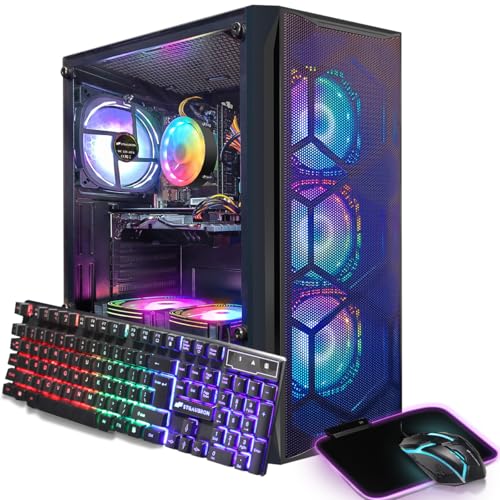

Best Cheap Streaming PCs 2026 Budget Setups Under 500 Tested Featured Image Ykrg1hc2 . Top Gaming And Streaming PCs 2026 Ultimate Guide Best PC For Gaming And Streaming. Top 10 Best Desktop Computers 2026 For Home Office And Work Lenovo Legion Tower 5i 2026 Budget Desktop Computer For Home Office Among Best Desktop. Best Cheap Streaming PCs 2026 Budget Setups Under 500 Tested 51eaavVhEmL . Best Cheap Streaming PCs 2026 Budget Setups Under 500 Tested 51OPe2MSmDL
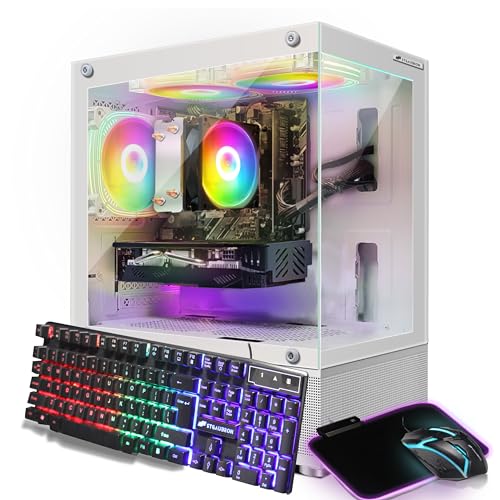



Best Cheap Streaming PCs 2026 Budget Setups Under 500 Tested 51ETKjFSSvL . 5 Best Prebuilt PCs For Streaming 2025 800 2500 Range Best Prebuilt PC For Streaming . The Best Streaming PC Builds For Every Budget Budget Streaming PC Build 2 1536x864 . Best Budget Laptops 2026 Best Units Under 800 For Work And Budget Gaming Laptop . Best Budget Laptop For 2026 Cheap Computers Under 500 CNET Apple Macbook Air M1 01


Best Streaming Pc On A Budget At Joan Currie Blog Budget Streaming PC Build . Best VALUE Gaming Streaming PC Build In 2025 YouTube . The Best Lighting For Twitch Streaming Setupgamers Cheap Streaming PCs 1 100x100 . 7 Best Game Streaming Microphones For Budget Streamers In 2026 Game Streaming Mics 7 2025 Cg5ip . Best BUDGET Streaming PC Build Right Now April 2022 YouTube


The Best Live TV Streaming Services For 2026 What We Tested What We B36e03b0 Dd92 11ef Aedf. Best Budget Streaming Device For Netflix And Disney Plus In 2025 . Best Cheap Streaming Camera Updated February 2026 SL500 . Best Budget PCs For Streaming Latest 2024 Guide YouTube . The Best Budget Streaming PC Builds In 2023 GUIDE Get On Stream BEST BUDGET STREAMING PC FOR 2021


Best BUDGET Streaming PC Build To Buy Right Now 2022 YouTube . Best Budget Streaming PC AUG 2023 High FPS YouTube . Best Budget PC Build For Gaming And Streaming In 2024 No FPS Drops . 10 Best Pre Built Streaming Gaming PCs In 2023 Get On Stream BEST BUDGET STREAMING PC FOR 2021 1 . Building The Mainstream Streaming PC Tips And Tricks For A Top Tier Setup Streamer Hub 20230424 42


3 Best Budget Microphones For Streaming In 2026 Affordable Options Affordable High Quality Streaming Microphones 2ktxr . Best Streaming Pc On A Budget At Joan Currie Blog Streaming Pc Setup . Best Cheap Streaming PCs 2026 Budget Setups Under 500 Tested 51RaAJI66YL . How To Record In OBS Tom S Hardware . Best Lightweight Laptop In 2026 For Work Gaming And Streaming Best Cheap Tablet Hero Image


Best Budget STREAMING PC Build In 2024 No FPS Lag Great Gaming . The BEST Budget Streaming Gaming PC Equipment YouTube . Top 7 Best Budget Laptops For Streaming In 2023 LeagueFeed Best Budget Streaming Laptops 675x380 . Best Budget Gaming Pc Build BEST GAME CONSOLE Best Gaming Pc . Best Live Streaming Gear For Gamers 2026 The Best Setups For Beginners 1920 80