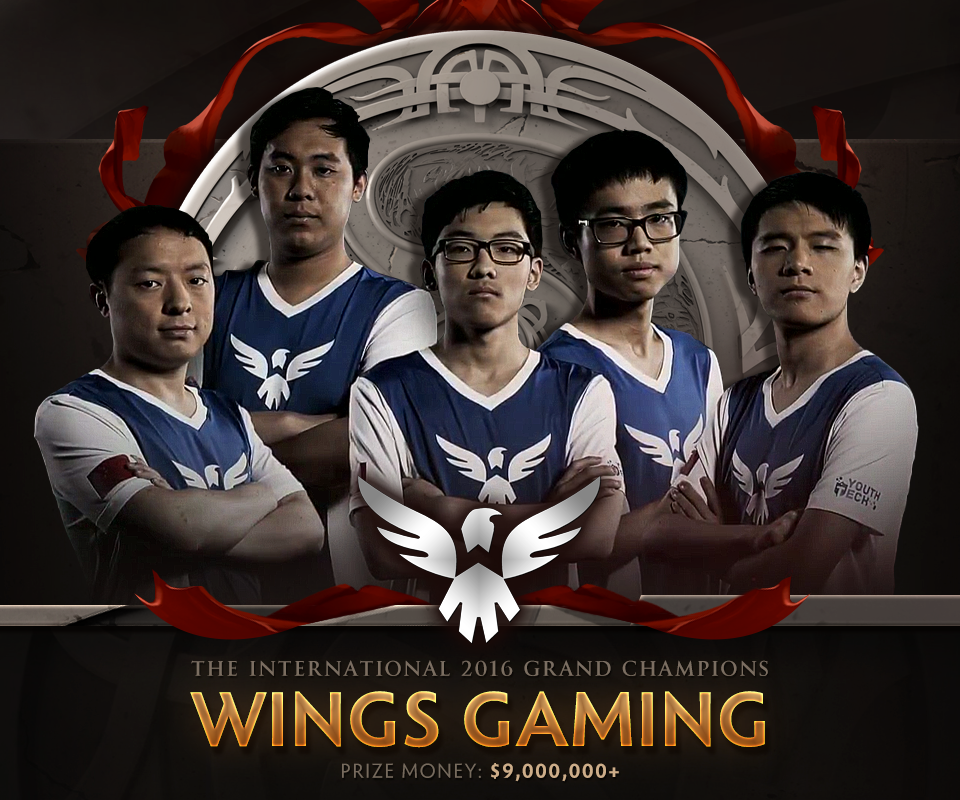
For many gamers, the story of Wings Gaming remains one of esports most captivating and tragic tales. This article dives deep into what happened to Wings Gaming, the legendary Dota 2 team that defied expectations to win The International 2016 (TI6), only to disband controversially and face bans shortly after. We explore the factors that led to their meteoric rise and their sudden, heartbreaking fall, analyzing the impact on the players, the Dota 2 competitive scene, and the broader implications for player contracts and organizational stability in esports. Understanding their journey offers valuable lessons for aspiring pro gamers and fans alike about the volatile nature of competitive gaming careers and the challenges teams face beyond the in-game action. This detailed breakdown aims to answer every question you have about their fate, offering a comprehensive look at one of the most unique sagas in esports history.
Q: Who were Wings Gaming and what made them unique?
A: Wings Gaming was a Chinese professional Dota 2 team that famously won The International 2016 (TI6). They were renowned for their incredibly diverse hero pool and unpredictable, innovative playstyle, often drafting heroes that were considered off-meta. This made them exciting to watch and very difficult for opponents to prepare against, truly setting them apart in the competitive scene.
Q: What led to the eventual disbandment of Wings Gaming?
A: The disbandment of Wings Gaming in April 2017 was primarily due to internal management issues and contract disputes. Reports surfaced about unpaid salaries and the team organization failing to meet its obligations to the players. This prompted the players to leave the team, leading to a major conflict with the Chinese Esports Alliance (ACE) and ultimately their collective ban.
Q: Were the Wings Gaming players permanently banned from competitive play?
A: The five members of the TI6 champion roster were indeed handed an indefinite ban from all tournaments sanctioned by the Chinese Esports Alliance (ACE). While this effectively sidelined them from most major Chinese events, some players, notably Faith_bian and y, eventually found paths back into top-tier competitive Dota 2 with other organizations, though the initial ban was very severe.
Q: How did the esports community react to the Wings Gaming controversy?
A: The esports community largely reacted with strong sympathy for the players and widespread criticism of the management and ACE. Fans and analysts felt the players were unfairly punished for organizational failures. The incident ignited major discussions about player rights, transparent contracts, and the need for stronger player protections in the rapidly growing esports industry.
Q: Did any of the former Wings Gaming players achieve success after the ban?
A: Yes, despite the significant setback, some former Wings Gaming players continued to achieve success. Faith_bian and y, in particular, joined PSG.LGD and reached the grand finals of The International 2021, showcasing their enduring talent and resilience. Their journey highlights the individual skill that existed within the original Wings Gaming roster.
Q: What broader impact did the Wings Gaming saga have on esports?
A: The Wings Gaming saga had a profound impact, serving as a cautionary tale that spurred improvements in player contracts and organizational standards within esports. It pushed for greater transparency, better player representation, and helped professionalize the industry by highlighting the critical need for robust legal frameworks and player welfare considerations, especially for young athletes entering the scene.
Q: Could a similar scenario affect a major esports team today?
A: While the esports landscape is far more mature now with better player protections and contract standards, the risk of disputes, particularly around finances and organizational stability, can still exist. However, the increased scrutiny, legal safeguards, and player awareness cultivated since incidents like Wings Gaming mean that a full, indefinite career ban of an entire championship team due to management issues is far less likely to happen without immense industry backlash and potential legal challenges today.
Hey fellow gamers! Ever find yourself scrolling through old esports highlights, reminiscing about those incredible underdog stories that just captivated everyone? Or maybe youre trying to stay current, balancing your gaming passion with a busy life, and you hear whispers of legendary teams that just vanished. If so, you've probably stumbled upon the enigmatic tale of Wings Gaming. We all know that balancing work, family, and gaming can be tough. We want to enjoy our relaxation, maybe even build some skills, or just connect with friends online without getting bogged down in drama or complicated setups. But sometimes, the real-world drama of esports bleeds into our community, leaving us wondering, 'What exactly happened there?'
The story of Wings Gaming isn't just about a Dota 2 team; it's a snapshot of the wild west days of early esports, full of triumph, tragedy, and lessons learned the hard way. For many of us, gaming is a vital outlet, a way to unwind after a long day, or connect with a global community. We invest our time, energy, and sometimes money into this world, and when a story like Wings Gamings unfolds, it can be perplexing, even disheartening. You might be a seasoned esports viewer, or perhaps you're just dipping your toes into the competitive scene while enjoying your favorite cozy games or free-to-play titles on mobile, like the 87% of US gamers who play regularly. Regardless, understanding what happened to Wings Gaming helps us appreciate the evolution of professional gaming and the challenges players still face. This guide cuts through the noise to give you the clear, concise answers you're looking for, addressing those nagging questions about what became of the TI6 champions.
Who Were Wings Gaming and Why Were They Special
Wings Gaming was a Chinese professional Dota 2 team that rose to global prominence in 2016. They were composed of players Chu 'Shadow' Zeyu, Zhou 'blink' Yang, Zhang 'Faith Bian' Ruida, Zhang 'y' Yiping, and Li 'iceice' Peng. What made them truly special was their incredibly diverse hero pool and unpredictable playstyle. Unlike many top teams that relied on comfort picks and established metas, Wings Gaming would draft almost any hero, often surprising opponents with off-meta strategies and aggressive rotations. This fearless approach, combined with exceptional individual skill and teamwork, made them a joy to watch and incredibly difficult to counter. They embodied a spirit of creative, unscripted Dota 2, which resonated deeply with fans tired of predictable strategies.
What Was Their Biggest Achievement in Esports
Wings Gaming's crowning achievement was winning The International 2016 (TI6), Dota 2's premier annual championship, held in Seattle. This victory was monumental, not just for the substantial prize pool they took home, but because they did it as relative underdogs against more established teams like Evil Geniuses and OG. Their dominant performance in the grand finals against Digital Chaos, where they secured a 3-1 victory, cemented their legacy as one of the most exciting and unconventional champions in esports history. Their TI6 run is still considered a masterclass in adapting to opponents and executing unique game plans, showcasing what sheer talent and unconventional thinking can achieve.
When Did Wings Gaming Disband and Why
Wings Gaming officially disbanded in April 2017, less than a year after their historic TI6 win. The primary reason for their disbandment stemmed from severe organizational issues and contract disputes with their management. Reports indicated that the players faced salary payment issues and felt their management was not fulfilling its obligations. This led the players to attempt to leave the organization, forming a new team called Team Random. However, this move was seen as a breach of contract by the Chinese Esports Alliance (ACE), an influential governing body for esports in China, which then imposed bans on the players. This rapid unraveling shocked the Dota 2 community and highlighted the precarious nature of player contracts in a rapidly professionalizing industry.
What Were the Consequences for the Wings Gaming Players
The consequences for the individual players were severe and far-reaching. Following their departure from Wings Gaming, the five players were handed an indefinite ban from all tournaments sanctioned by the Chinese Esports Alliance (ACE). This effectively barred them from competing in most major professional Dota 2 tournaments, particularly those within China or events with significant Chinese participation. While some players briefly played in non-ACE sanctioned events or formed temporary teams, the ban significantly hampered their careers, preventing them from reaching the same heights they had as a unit. It was a stark reminder that even world champions could be sidelined by bureaucratic and contractual disputes, a common pain point for early esports pros.
How Did the Esports Community React to the Disbandment and Bans
The esports community reacted with a mixture of shock, disappointment, and anger. Many fans viewed the bans as overly harsh, punishing the players for issues largely attributed to poor management and unclear contractual terms. There was widespread sympathy for the players, who were perceived as victims in a system that lacked sufficient player protection. The incident sparked extensive debate about player rights, the role of governing bodies like ACE, and the need for more transparent and equitable contract systems in esports. It became a cautionary tale, influencing discussions around player unions and better legal frameworks for professional gamers globally. For many gamers, it was a moment that underscored the importance of advocating for better conditions for those who entertain us.
Did Any Wings Gaming Players Continue Their Esports Careers
Yes, while the ACE ban severely impacted their collective career as Wings Gaming, some individual players did manage to continue their esports journeys, albeit with varying degrees of success. Faith_bian and y, for instance, eventually joined PSG.LGD, one of Chinas most prominent organizations, and found considerable success, even reaching the grand finals of The International 2021. Shadow and iceice also continued to play for different teams, though they never quite recaptured the magic or consistent success of their TI6 era. Blink took a hiatus from competitive play for a while. Their post-Wings careers serve as a testament to their individual talent and resilience, despite facing immense obstacles early on.
What Lessons Did the Esports Industry Learn from Wings Gaming's Fate
The Wings Gaming saga served as a critical turning point and a harsh lesson for the nascent esports industry. It highlighted several major issues: the lack of standardized player contracts, the need for stronger player protections against unscrupulous organizations, the complexities of regional esports governing bodies, and the importance of financial transparency. The incident pushed organizations and tournament organizers to re-evaluate how they handle player welfare and contractual obligations. It contributed to a broader movement towards more professionalized management, clearer legal frameworks, and increased awareness among players about their rights. While issues still persist, the lessons from Wings Gaming undeniably helped shape a more regulated and player-friendly esports landscape that prioritizes sustainability for pros who dedicate their lives to gaming.
Could a Similar Situation Happen to a Top Team Today
While the exact circumstances of the Wings Gaming disbandment were unique to its time, similar issues, particularly concerning player contracts and organizational stability, can still arise, though perhaps with different forms and outcomes. The esports industry has matured significantly since 2017. Most major regions now have more robust player associations, standardized contracts, and greater legal oversight. However, the rapid growth of esports means new challenges constantly emerge, from managing mental health to balancing sponsorship demands. Players still navigate complex financial structures, and the risk of mismanagement or contractual disputes always exists. That being said, increased transparency, legal counsel for players, and a more interconnected global esports community mean that severe, career-ending bans like those imposed on Wings Gaming players are less likely to occur without significant backlash and broader industry intervention. Players today are much more aware and empowered, thanks in part to the lessons learned from earlier controversies.
So, there you have it – the full story of what happened to Wings Gaming. Their journey from underdogs to champions and then to an unexpected disbandment is a powerful reminder of the human element in esports. It's a tale of incredible skill, unique vision, and the tough realities that can hit even the best. For us gamers who navigate our own daily challenges, balancing work and family with our love for gaming, it's a story that resonates. It reminds us that even when things get tough, resilience and passion can shine through, whether it's in a pro match or just grinding out a few levels after the kids are asleep.
Understanding these historical events helps us appreciate the journey our favorite pro players take and the challenges they overcome. It also makes us better advocates for a fairer, more sustainable gaming world for everyone. What's your biggest gaming challenge today, balancing your passion with life's demands? Comment below!
FAQ Section
Were Wings Gaming players paid their TI6 prize money?
The players did receive their portion of the TI6 prize money, however, the subsequent issues stemmed from their monthly salaries and contractual obligations with the organization after the victory.Is Wings Gaming still an active organization?
No, the Wings Gaming organization ceased operations shortly after the players' departure and disbandment in 2017. The brand itself is no longer active in competitive Dota 2.Did the ACE ban affect all former Wings Gaming players?
Yes, all five members of the TI6 championship roster - Shadow, blink, Faith_bian, y, and iceice - were subject to the indefinite ban imposed by the Chinese Esports Alliance (ACE).How did the Wings Gaming ban compare to other esports controversies?
The Wings Gaming ban was particularly impactful due to their status as reigning world champions. It highlighted unique issues within Chinese esports governance and player management, setting a precedent for discussions around player rights that reverberated globally.What is the Chinese Esports Alliance (ACE)?
The Chinese Esports Alliance (ACE) was a regulatory body in China that oversaw and sanctioned professional esports teams and tournaments. It held significant influence over player transfers and team participation in the region during its operational period.What were the main reasons for Wings Gaming's disbandment?
The primary reasons for Wings Gaming's disbandment were internal organizational mismanagement, including reported salary payment issues, and subsequent contract disputes between the players and their management. This ultimately led the players to attempt to leave the team and form a new roster, which was then deemed a breach of contract by the Chinese Esports Alliance (ACE).
Wings Gaming won Dota 2s The International 2016 a monumental achievement. The team mysteriously disbanded in 2017 amid contract disputes. Players received bans from competitive events by ACE the Chinese esports association. Their unique playstyle and unpredictable strategies set them apart. The incident highlighted issues with player welfare and contract transparency in early esports.
35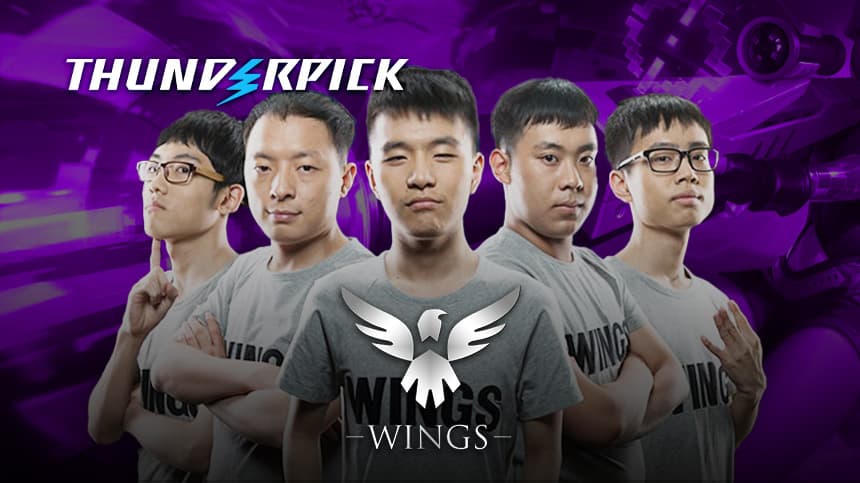

Wings Gaming Overview Place Your Bets On Wings Gaming Wings Gaming 860x483 1 . What Happened To Paige Bueckers Wings Star Held Out Of Saturday S Game 20260612 Ysd Paige 0435 . What Happened To Paige Bueckers Wings Star Held Out Of Saturday S Game. What Happened To Aziaha James Latest Update On Wings Guard After She Aziaha James . Category Dallas Wings Dallas Hoops Journal Bridget Carleton Portland Fire Dallas Wings 750x450



Trump Critics React To The GOP S Late Night White House Ballroom File Photo The Demolition Of The East Wing Of The White House The Location Of U S President Donald Trump S Proposed Ballroom . Design Mercedes Unveil Front Wing Concept Xpb 1393002 Hires . 2025 2026 NHL Team Preview Detroit Red Wings Yardbarker USATSI 25848409 Scaled . What Could The 2026 Formula 1 Cars Look Like And How Have The Front Wing . Texas Runoff Set For 2026 Extending Democratic Vacancy 87315955007 White House East Wing Demolition 01


2026 Honda Gold Wing DCT Review Total Motorcycle 2026 Honda Gold Wing DCT2 1536x1041 . 2026 F1 Barcelona Pre Season Testing Day 1 Results Hamilton Ferrari Wing Bahrain Test.webp. Paige Bueckers Dallas Wings Unveil 2026 Schedule As WNBA Prepares For Dallas Wings 2026 Wnba Regular Season Schedule Scaled . What Has Happened With Red Bull S Rear Wing In Las Vegas Red Bull Racing Rb20 Rear Wing . What Made Wings Soaring High In 2026 Music Free Printable 2025 Dallas Wings Schedule


Wings For Life World Run 2026 Jetzt Anmelden Und Reise Zum Wunsch Lauf . Detroit Red Wings Logo Anniversary Logo National Hockey League NHL Detroit Red Wings Anniversary Logo 2026 1111352026 . What Made Wings Soaring High In 2026 Music Wings Brochure Launch Image 3 . 2026 Dallas Wings Schedule Free Printable Free Printable 2026 Dallas Wings Schedule . Dallas Wings Introduce Four New Players For 2025 WNBA Season Wfaa Com 4a8514f2 0a58 42a8 A671 1920x1080


What Happened To The East Wing Why Trump Tore Down White House Facade 86813946007 2242265576 . 2025 26 Detroit Red Wings Schedule Printable PDF Format Sports Brackets Printable 2025 26 Detroit Redwings Schedule Updte . WINGS INDIA 2026 Aviation World Wings India 2026 Web Banner . Wings Gaming Emerge Victorious At Dota 2 The Brings Home TI6 Dota 2 Wings Gaming . Where To Watch 2025 Wings Social Broadcast Sch 16X9




What Happened To WINGS GAMING YouTube . What Happened To TI6 Champions Wings Gaming Polygon 28923732496 Dea423b322 K . Wings China Dota At Lois Wing Blog Wings Gaming Po Dota 2 Istoriya Komandy Igroki Osobennosti Stavok . Wings Gaming Liquipedia Dota 2 Wiki 600px Wings . Wings Gaming Liquipedia Dota 2 Wiki Wings Red Gaming Std


CONFERENCE 2026 Wings India Logo . Wings For Life World Run 2026 Anmeldung Ge Ffnet Wings For Life World Run Platzer 2 . Singapore Airshow 2026 To Mark New Frontiers In Aviation And Space Wings India 2026 1 . Detroit Red Wings Coloring Page Printable 2025 Free Printable 2025 26 Detroit Red Wings Schedule . What Made Wings Soaring High In 2026 Music Front Wing Comparison