Ever dreamed of building your own virtual world but thought it was too complicated? Many US gamers, balancing work and family, often feel creating games is a time sink they cannot afford. This guide on how to make a world in Roblox is tailored for you. Dive into the surprisingly accessible Roblox Studio and learn to craft engaging experiences without needing prior coding expertise. We'll demystify the process, from initial setup to publishing your unique game. Discover how to create a space for relaxation, social interaction, or even competitive fun for your friends and community. Learn the essential steps, optimize your creations for performance, and get the most value out of your development time, ensuring your creative vision comes to life on one of the world's largest gaming platforms. This article provides clear, actionable steps to turn your game ideas into reality, offering a rewarding new dimension to your gaming journey.
How does the Roblox developer community support new creators?
The Roblox developer community is incredibly active and a fantastic resource for new creators. You can find extensive support through the official Roblox Developer Hub, which offers tutorials, documentation, and best practices. There are also numerous community-run Discord servers and YouTube channels dedicated to Roblox development, where experienced creators share tips, troubleshoot problems, and offer feedback. This collaborative environment ensures that you're never truly stuck and always have a place to turn for guidance, making the learning curve much smoother.
What is the difference between a "Part" and a "Model" in Roblox Studio?
In Roblox Studio, a "Part" is the most basic building block, such as a block, sphere, or cylinder, that you use to construct elements in your world. A "Model," on the other hand, is a collection of one or more parts, scripts, and other objects grouped together. Models are used to organize complex structures like a house, a car, or an entire character, allowing you to manipulate them as a single entity. The Toolbox is full of pre-made models, while you often build custom models by combining parts yourself.
Can I collaborate with friends to build a Roblox world?
Absolutely! Roblox Studio supports collaborative development, allowing you and your friends to work on the same game simultaneously. This feature is called Team Create. By enabling Team Create in your game settings, multiple developers can join the Studio session, make changes in real-time, and see each other's contributions instantly. It's a fantastic way to combine creative forces, share the workload, and learn from one another, making large projects more manageable and fun, echoing the social aspect of modern gaming.
How important is playtesting in Roblox world creation?
Playtesting is paramount to creating a successful Roblox world. It involves playing your game repeatedly, often from the perspective of a new player, to identify bugs, performance issues, confusing mechanics, or areas that aren't fun. Regular playtesting helps you refine the player experience, ensuring smooth gameplay and engagement. Gathering feedback from others, especially your target audience, provides invaluable insights, allowing you to make necessary adjustments before publishing to a wider audience. This iterative process is crucial for optimization and player retention.
What are "Anchored" parts and why are they important?
"Anchored" parts in Roblox Studio are objects that are fixed in place within your world and will not be affected by physics (like gravity or collisions) unless specifically scripted to move. Anchoring is critically important for stable world building. For instance, you would anchor the ground, walls, and static structures like buildings or furniture to prevent them from falling through the map or toppling over. Forgetting to anchor essential parts is a very common beginner mistake that can lead to unexpected and often frustrating physics behavior in your game.
How can I add custom sounds and music to my Roblox world?
Adding custom sounds and music significantly enhances the atmosphere and immersion of your Roblox world. You can upload audio files (like .mp3 or .ogg) directly to Roblox through the 'Create' section of the website. Once uploaded and approved, these audio assets can be inserted into your game via 'Sound' objects in Roblox Studio. You can then configure properties like volume, loop, and playback speed, and trigger them with scripts or attach them to specific parts or environmental areas to create dynamic soundscapes and musical scores that enrich the player experience.
What is the "Output" window in Roblox Studio used for?
The "Output" window in Roblox Studio is an essential debugging tool for developers. It displays messages from your scripts, errors, warnings, and general information about what's happening behind the scenes of your game. When your scripts encounter a problem, the 'Output' window will show an error message, often with the line number, helping you pinpoint and fix issues. It's like a diagnostic report for your game, providing critical feedback that is invaluable for troubleshooting and ensuring your game runs smoothly and as intended.
Ever felt that itch to create your own corner of the gaming universe? For many US gamers, especially those juggling jobs, family, and life, the idea of game development often feels like a distant dream. You love to unwind with a good game, socialize with friends online, or build skills, but making a game yourself? That sounds like a massive time commitment, right? The good news is, learning how to make a world in Roblox has never been more accessible and rewarding. With its intuitive tools and massive player base, Roblox isn't just a platform for playing games; it's a powerful gateway for creators of all skill levels. Data shows that 87% of US gamers play regularly, often for 10+ hours a week, and a significant portion is exploring creation as a new form of engagement. This guide is specifically designed for you, the busy adult gamer who wants to tap into that creative spark without getting bogged down in complex coding or overwhelming setup issues. We'll walk you through everything you need to know to bring your unique world ideas to life, optimizing your time and effort for maximum fun and impact. Forget the hype and focus on practical steps to build something truly special.
What Exactly is Roblox Studio and Why Should Busy Gamers Use It?
Roblox Studio is the free, powerful development platform used to create all the games and experiences you see on Roblox. Think of it as your virtual toolkit for building worlds. For busy gamers, its biggest appeal lies in its accessibility. You don't need a computer science degree or years of coding experience to get started. It uses a visual drag-and-drop interface alongside its own scripting language, Lua, which is relatively easy to learn if you want to dive deeper. This month's trends continue to show a rise in user-generated content platforms, and Roblox is at the forefront, empowering millions to become creators. It offers a low barrier to entry, allowing you to build anything from a simple hangout space for friends to complex adventure games, all while balancing your other life commitments.
Key Benefits for You:
- Ease of Use: Start building immediately with intuitive tools.
- No Cost: Roblox Studio is completely free to download and use.
- Massive Audience: Publish your game to millions of potential players.
- Skill Building: Learn valuable design and even basic coding skills in a fun environment.
- Social Connection: Create unique spaces for your friends to explore and enjoy together.
How Do I Get Started With Roblox Studio Installation?
Getting Roblox Studio up and running is straightforward, designed to minimize setup issues so you can jump straight into creation. It's compatible with most modern Windows and macOS computers, which is great for gamers who might have budget-friendly hardware. You won't need a high-end gaming rig to build. Here's a quick rundown of the installation process:
- Create a Roblox Account: If you don't already have one, visit the Roblox website and sign up. This account is essential for accessing Studio and publishing your creations.
- Download Roblox Studio: Go to the Roblox website and look for the 'Create' tab. Clicking this will prompt you to download Roblox Studio. Alternatively, search 'Roblox Studio download' directly.
- Run the Installer: Once downloaded, open the installer file. Follow the on-screen prompts, which are typically very simple 'Next, Next, Install' steps.
- Launch and Log In: After installation, launch Roblox Studio. You'll be asked to log in using your Roblox account credentials.
That's it! You're now ready to begin your journey of how to make a world in Roblox. The initial setup is smooth, allowing you to quickly move past technical hurdles and into creative mode.
What Are the Basic Steps to Create My First World in Roblox?
The foundation of how to make a world in Roblox starts with understanding the basic workspace. Think of it as your digital sandbox. Don't worry about perfection; focus on learning the tools. This process is designed to be enjoyable, not a chore.
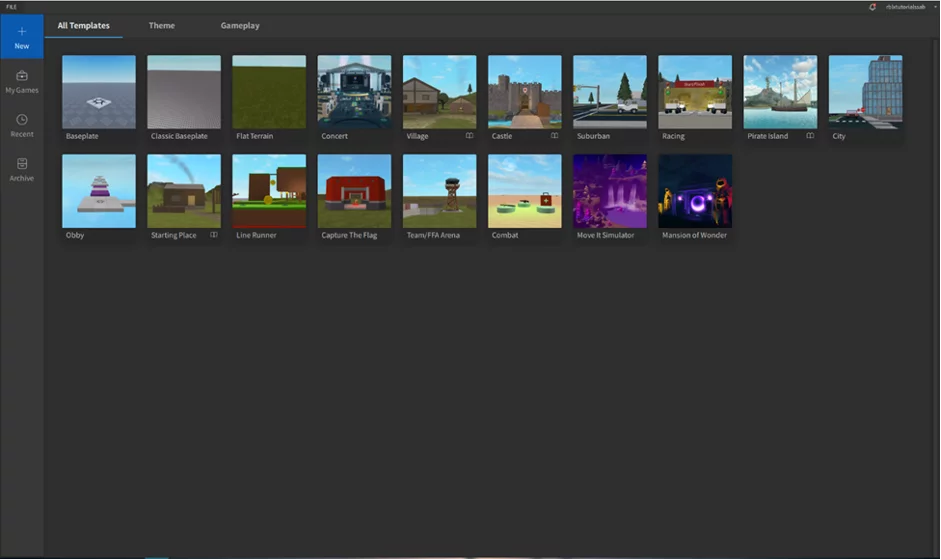
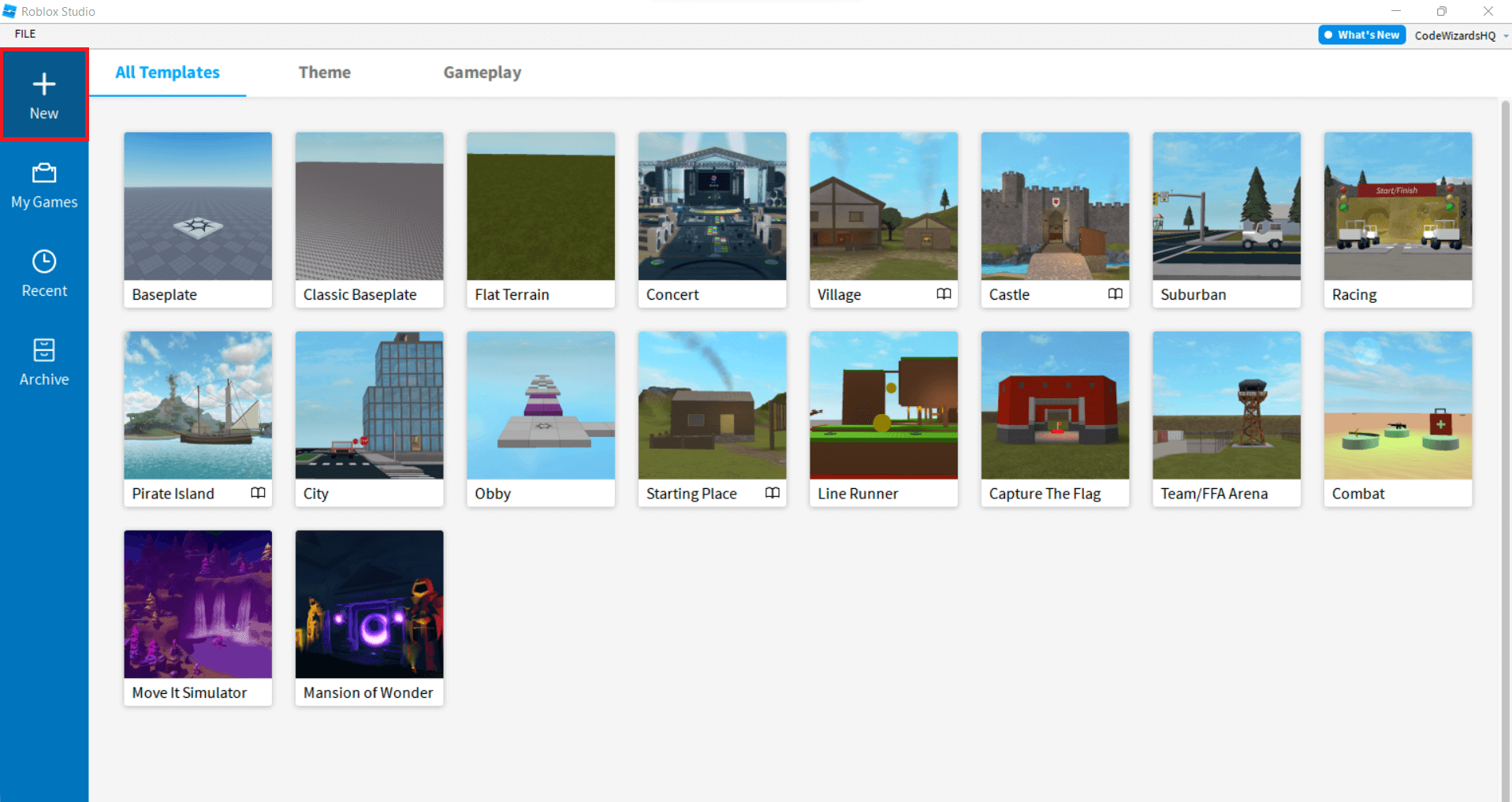
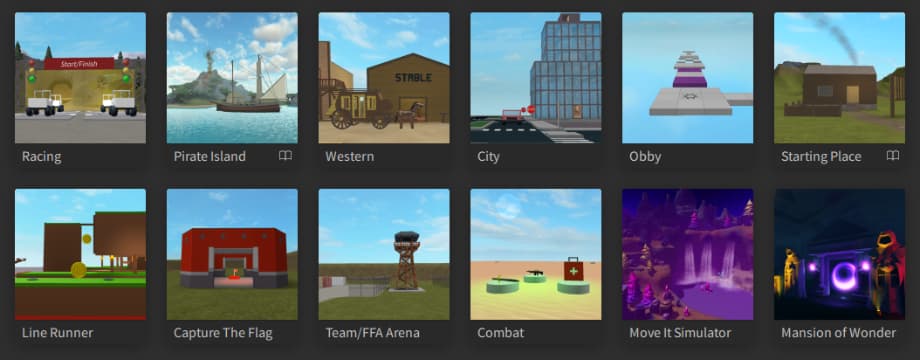
- Open a New Project: When you open Roblox Studio, you'll see a 'New' tab. Select a 'Baseplate' or a 'Flat Terrain' template to start with a blank canvas. These templates provide a basic ground to build upon.
- Familiarize Yourself with the Interface:
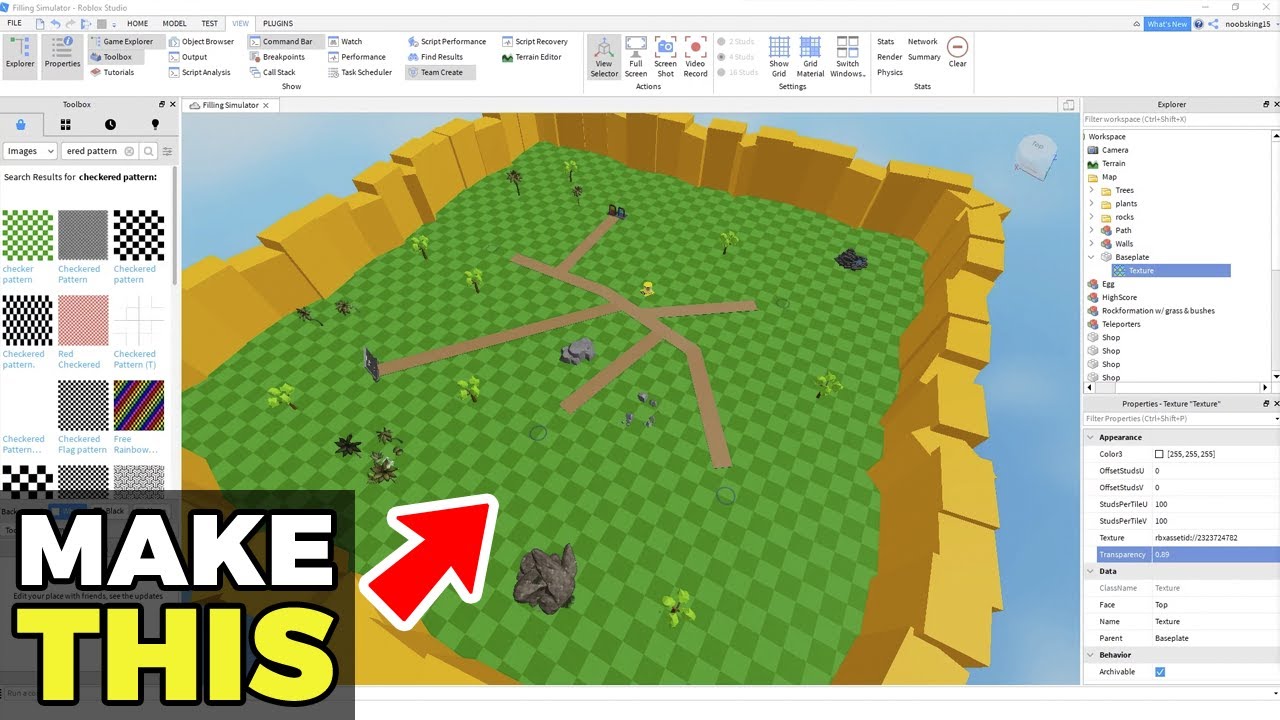
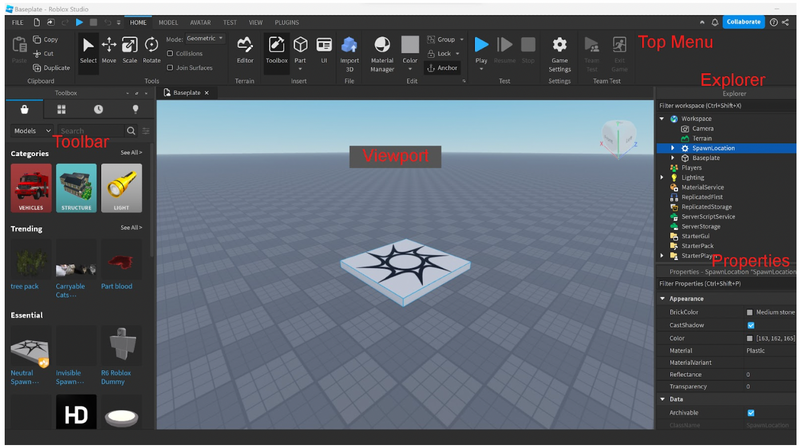
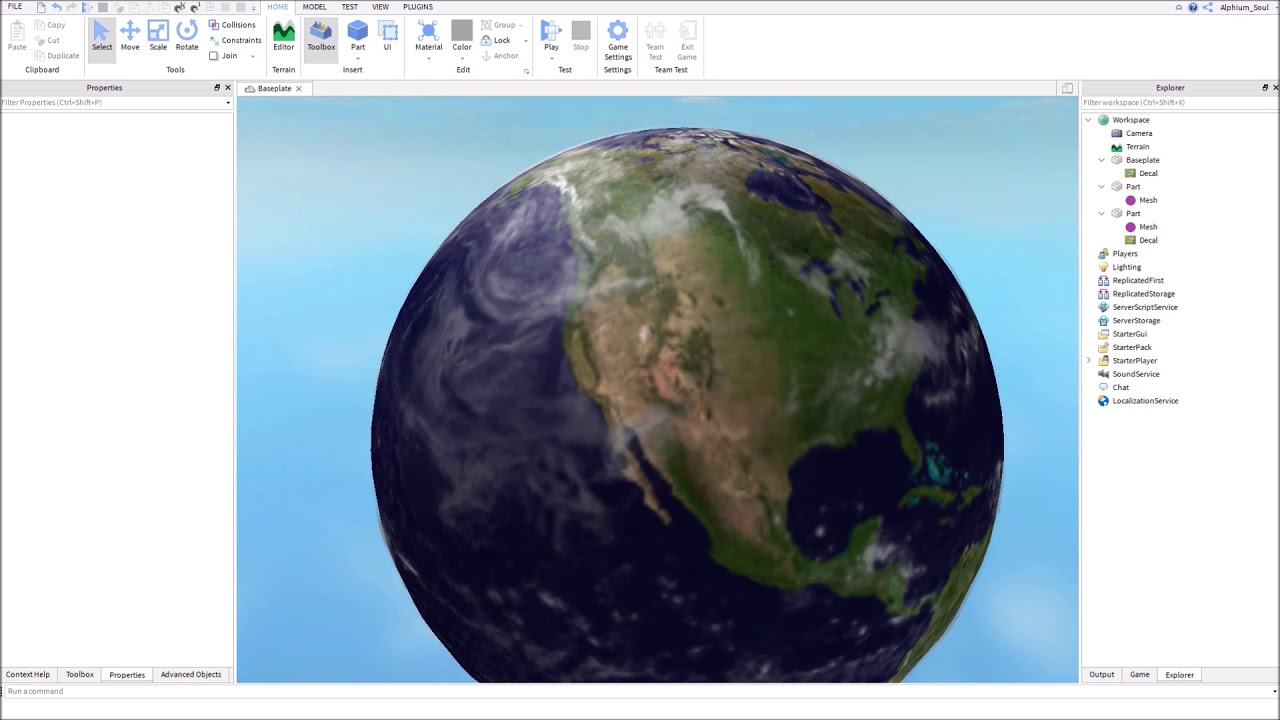
- Explorer Window: This lists all the objects in your game, like parts, scripts, and models.
- Properties Window: When you select an object, this window shows its properties (color, size, position, transparency, etc.) which you can modify.
- Toolbox: This is your treasure chest! It contains millions of free assets created by other developers and Roblox itself – models, scripts, sounds, and more. This is a huge time-saver for busy creators.
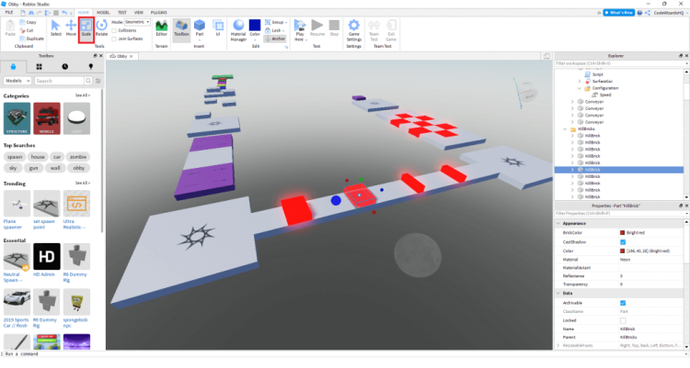
- Toolbar: At the top, you'll find essential tools like 'Select', 'Move', 'Scale', and 'Rotate' for manipulating objects.
- Create Your First Part: Go to the 'Model' tab in the toolbar and click 'Part'. A basic block will appear in your workspace. This is the fundamental building block of your world.
- Manipulate the Part: Use the 'Move', 'Scale', and 'Rotate' tools to change its position, size, and orientation. Experiment with different shapes from the 'Part' dropdown menu.
- Change Properties: In the 'Properties' window, change the part's color, material (wood, plastic, metal), and transparency. See how it instantly transforms your object.
- Save Your Progress: Regularly save your work! Go to 'File' > 'Save to Roblox' or 'Save to File'. This prevents losing your progress if something goes wrong.
These initial steps are crucial for understanding the environment. Just like learning the controls of a new game, mastering these basics will make your creative journey much smoother.
How Can I Add Objects and Elements to My Roblox World Effectively?
Once you grasp the basics of how to make a world in Roblox, adding complexity and detail becomes the next exciting step. This is where your world truly starts to take shape and feel unique. The key here is leveraging the vast resources available to you.
- Utilize the Toolbox: The Toolbox is your best friend. It offers a massive library of user-generated models, scripts, images, and audio. Want a tree? Search "tree" in the Toolbox. Need a car? Search "car." Drag and drop them directly into your game. While incredibly convenient, always preview items and use reputable creators to ensure quality and safety.
- Create Custom Parts: Combine multiple basic 'Parts' (blocks, spheres, cylinders, wedges) to build more complex structures. For instance, combine a few blocks to make a simple house, or use cylinders for pillars. Use the 'Union' and 'Negate' tools (found under the 'Model' tab) to combine parts or cut holes out of them, allowing for incredibly detailed custom shapes without needing external modeling software.
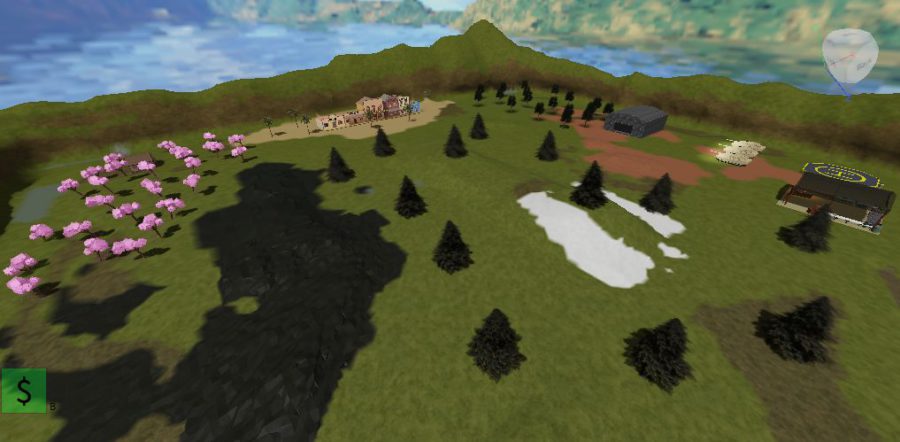
- Terrain Editor: Under the 'Home' tab, click 'Terrain Editor'. This tool lets you sculpt mountains, dig valleys, add water, and paint different materials like grass, rock, and sand. It’s fantastic for creating natural landscapes that feel immersive. Spend some time experimenting with the 'Grow', 'Erode', and 'Smooth' tools to get a feel for shaping your environment.
- Lights and Effects: Add 'Lights' (PointLight, SpotLight, SurfaceLight) to illuminate your world, create ambiance, or highlight specific areas. You can also add 'Effects' like fire, smoke, or particles to bring your scenes to life. These small details significantly enhance player experience.
- Scripts for Interactivity: If you're feeling adventurous, basic scripting (using Lua) allows you to make objects move, create doors that open, or add game mechanics. Even simple scripts can dramatically transform your world from static to dynamic. Start with tutorials on basic object interaction scripts.
Remember, variety and intentional placement are key. Don't just fill your world; design it with purpose. Many gamers, myself included, find immense satisfaction in seeing their vision slowly come together piece by piece.
What Are Some Tips for Making My Roblox World Engaging and Fun?
A successful Roblox world isn't just about what's in it, but how players interact with it. For the average US gamer, engagement means a mix of relaxation, fun, social opportunities, and a sense of accomplishment. Here’s how to hit those notes when you learn how to make a world in Roblox:
- Define Your Core Idea: What's the main point of your game? Is it a chill hangout, a challenging obstacle course, a role-play town, or a survival experience? A clear concept will guide all your design choices.
- Start Simple, Then Expand: Don't try to build a massive open-world RPG as your first project. Begin with a small, manageable goal – like a cool lobby or a short obby. Once you've mastered that, you can always build upon it.
- Prioritize Player Experience:
- Clear Goals: Even in a social hub, give players something to do or explore.
- Easy Navigation: Make sure players can move around your world without getting lost or stuck.
- Visual Appeal: Use consistent colors, materials, and lighting. A cohesive aesthetic is pleasing.
- Social Opportunities: Can players chat, team up, or compete? Social play is a massive draw on Roblox. Consider creating spaces for gathering or mini-games for friendly competition.
- Introduce "Game Loops": Even simple ones. For example, "collect X coins to unlock Y area." This gives players motivation and a sense of progression.
- Test Constantly: Playtest your world frequently. What seems obvious to you might confuse a new player. Get feedback from friends or other developers. This is crucial for identifying setup issues or performance problems early on.
- Seek Inspiration: Play popular Roblox games. What makes them fun? What mechanics do they use effectively? Don't copy, but draw inspiration for your unique spin.
Remember, the goal is for players to have fun. Focus on creating an experience that you yourself would enjoy, and others are likely to follow.
How Do I Optimize My Roblox Game for Performance on Different Devices?
Performance optimization is critical, especially for a platform like Roblox where players access games on PCs, Macs, tablets, and mobile phones. Laggy games are frustrating and lead to players leaving. As a gamer who values smooth performance, you know how important this is.
- Minimize Part Count: Every 'Part' in your game takes up resources. While Roblox is optimized, too many parts can bog down performance. Use 'Unions' (combining multiple parts into one) where appropriate, and simplify complex models. Consider using fewer, larger parts instead of many small ones when possible.
- Efficient Asset Use:
- Mesh Parts: For complex shapes, 'MeshParts' (3D models imported from external software or found in the Toolbox) are often more performant than many individual Roblox parts.
- Texture Optimization: Use efficient textures and decals. High-resolution images can consume a lot of memory.
- Avoid Excessive Transparency: Transparent parts can be surprisingly performance-intensive. Use them sparingly.
- Reduce Script Complexity: If you're using scripts, ensure they are efficient. Avoid endless loops, unnecessary calculations, and frequent updates of graphical elements. Learn about local scripts versus server scripts for better network performance.
- Lighting Settings: Dynamic shadows and very complex lighting effects can be demanding. Experiment with different 'Lighting' properties in 'Explorer' > 'Lighting' to find a balance between visual quality and performance. Sometimes, a simpler lighting setup looks great and runs much faster.
- Streaming Enabled: This is a powerful feature (found in 'Workspace' properties) that only loads parts of the world that players are near. It's incredibly useful for larger worlds, significantly improving performance and reducing initial load times for players, especially on mobile.
- Test on Various Devices: If possible, test your game on a lower-end PC, a tablet, or a smartphone to identify bottlenecks. Roblox Studio has a 'Test' tab where you can simulate different device performances.
A well-optimized game offers a smoother, more enjoyable experience, reflecting well on your creation and encouraging players to stay. Balancing great visuals with solid performance is a skill worth developing.
Can I Monetize My Roblox World, and How?
Yes, absolutely! One of the exciting aspects of learning how to make a world in Roblox is the potential to earn Robux, Roblox's virtual currency, which can then be converted to real-world money through the Developer Exchange Program (DevEx). For many gamers looking for value for money or even a side hustle, this is a huge draw. However, remember that monetization is a long-term goal that comes after you've built an engaging experience.
Primary Monetization Methods:
- Game Passes: These are one-time purchases that grant permanent perks or items in your game. Examples include access to VIP areas, special abilities, unique cosmetic items, or permanent boosts. They are a classic way to reward loyal players while generating income.
- Developer Products (Dev Products): These are consumable, one-time use items or abilities. Think of them as in-game purchases like extra lives, temporary power-ups, in-game currency packs, or unique emotes. They are great for recurring revenue and offer players immediate satisfaction.
- Premium Payouts: This is an automatic system where you earn Robux based on the engagement of Roblox Premium subscribers in your game. The more time Premium players spend in your world, the more you earn. This incentivizes creating high-quality, long-lasting experiences.
- Private Servers (VIP Servers): You can allow players to create private instances of your game for a fee. This is popular for social games or games where players want to avoid public lobbies or host private events.
Tips for Effective Monetization:
- Offer Value: Ensure your game passes and products provide genuine value to the player. Don't make your game "pay-to-win" or frustrating without purchases.
- Fair Pricing: Research what similar items cost in other popular Roblox games.
- Transparency: Be clear about what players are buying.
- Promote Organically: Let your game's quality and word-of-mouth drive sales. Overly aggressive monetization can drive players away.
Monetization on Roblox is a fantastic way to earn from your creativity, but always remember to prioritize building a fun and fair experience first.
How Do I Publish and Share My Roblox Game with Others?
After putting in the effort to learn how to make a world in Roblox and crafting your masterpiece, the final step is to share it with the world! Publishing is surprisingly simple and connects your creation to Roblox's massive player base, which includes millions of active users daily, making it one of the largest social gaming platforms this month.
- Save to Roblox: In Roblox Studio, go to 'File' > 'Save to Roblox'. This will save your game to your account on the Roblox platform. You'll be prompted to give it a name, description, and genre.
- Configure Your Game: After saving, go to 'File' > 'Game Settings'. Here you'll find crucial configurations:
- Basic Info: Revisit your game's name and description. Write something catchy and informative!
- Permissions: Set who can play your game (e.g., all players, friends only).
- Avatar: Decide what kind of avatars are allowed (R6, R15, custom).
- Monetization: Set up any Game Passes or Developer Products here.
- Security: Manage API services and other advanced settings if needed.
- Make it Public: Crucially, in 'Game Settings' > 'Permissions', change the 'Access' to 'Public'. Your game will be visible and playable by anyone on Roblox.
- Get Your Game Link: Once public, you can find your game's unique URL on the Roblox website under your 'Creations' tab. Share this link with friends, on social media, or in Discord communities!
- Promote Your Game: This is where your marketing hat comes on. Share screenshots, videos, and updates. Engage with players, listen to feedback, and continuously update your game to keep it fresh. Many successful creators leverage social platforms to build a following for their games.
Seeing your friends and strangers explore the world you created is incredibly rewarding. Don't be shy; share your hard work and enjoy the community aspect of Roblox development.
What Are Common Pitfalls to Avoid When Making a Roblox World?
Even experienced gamers can fall into traps when switching to creation. Being aware of these common issues can save you a lot of frustration and ensure your journey of how to make a world in Roblox is smooth.
- Scope Creep: This is the biggest killer of projects. Trying to build an enormous, complex game as your first project often leads to burnout and abandonment. Start small, finish it, then expand.
- Ignoring Performance: As discussed, a laggy game drives players away. Don't wait until the end to optimize. Build with performance in mind from the start, and test frequently.
- Poor User Experience (UX):
- Confusing Layouts: Players get lost or don't know what to do. Provide clear directions or intuitive design.
- Broken Mechanics: Test everything! Glitches are frustrating.
- Unfair Monetization: Aggressive or pay-to-win systems alienate players and give your game a bad reputation.
- Neglecting Feedback: While you don't have to implement every suggestion, ignoring constructive criticism means missing opportunities to improve. Engage with your community.
- Security Risks with Free Models: While the Toolbox is a godsend, some free models can contain malicious scripts (viruses). Always check scripts within models before integrating them into your game. If you don't understand the script, it's safer to avoid it or learn more about it.
- Inconsistent Art Style: A mix-and-match of styles can make your world feel disjointed. Try to maintain a cohesive visual theme.
- Lack of Updates: Games thrive on new content and bug fixes. Regularly updating your game shows you're committed and keeps players coming back.
Avoiding these common pitfalls will not only make your development process more enjoyable but will also lead to a higher quality, more successful Roblox world.
How Can I Get Help and Learn More About Roblox Development?
The Roblox developer community is incredibly vibrant and supportive, making it easy to find help and expand your skills beyond the basics of how to make a world in Roblox. You're not alone in this journey.
- Roblox Developer Hub (DevHub): This is the official and most comprehensive resource. It offers tutorials, API references, best practices, and documentation on every aspect of Roblox Studio and scripting. It's an invaluable learning tool.
- YouTube Tutorials: Search for "Roblox Studio tutorials for beginners" or "Roblox Lua scripting." Many talented creators offer visual guides that can be easier to follow for complex tasks. Look for recent tutorials, as Roblox Studio updates frequently.
- Roblox Developer Forum: A community forum where you can ask questions, share your work, get feedback, and connect with other developers. It's a great place for troubleshooting specific issues or finding inspiration.
- Discord Communities: Many independent Roblox development communities on Discord offer real-time help, collaboration opportunities, and a place to showcase your progress. Search for "Roblox developer Discord" to find active servers.
- Experiment and Practice: The best way to learn is by doing. Don't be afraid to try new things, break stuff, and fix it. Every mistake is a learning opportunity.
Leverage these resources, and you'll quickly level up your development skills, turning complex problems into solvable challenges.
Embarking on the journey of how to make a world in Roblox is an incredibly rewarding experience, offering a perfect blend of creativity, skill-building, and social engagement for the busy gamer. We've covered everything from setting up Roblox Studio and building your first structures to optimizing performance and even exploring monetization. Remember, the key is to start simple, iterate, and continuously learn from the vibrant Roblox community. It’s about creating those unique spaces where you and your friends can relax, have fun, and forge new gaming memories without feeling overwhelmed. Your unique perspective and creative ideas are exactly what make Roblox such a dynamic platform. So, take these tips, open Roblox Studio, and start building the world you’ve always wanted to play in.
What's your biggest gaming challenge when it comes to creation? Or what kind of world are you dreaming of building first? Comment below!
FAQ Section
Q: Is Roblox Studio completely free to use?
A: Yes, Roblox Studio is entirely free to download and use for creating games. There are no subscription fees or initial costs to start building your own worlds and experiences.
Q: Do I need to know how to code to make a world in Roblox?
A: No, you don't need coding knowledge to start. Roblox Studio features intuitive drag-and-drop tools and a vast library of free assets in the Toolbox, allowing you to build impressive worlds visually. Learning Lua scripting is optional for advanced interactivity but not a requirement for beginners.
Q: Can I use my phone or tablet to create a Roblox world?
A: While you can play Roblox games on mobile devices, Roblox Studio itself is a desktop application designed for Windows and macOS computers. You'll need a computer to access the full suite of creation tools.
Q: How long does it take to make a basic Roblox world?
A: You can create a very basic world with some terrain and objects in under an hour. More complex or polished games can take days, weeks, or even months, depending on your vision and dedication. The platform is designed for iterative development, allowing you to build gradually.
Q: What kind of games can I make in Roblox?
A: The possibilities are vast! You can create anything from obstacle courses (obys), role-playing games, simulation games, social hangouts, adventure games, and more. Roblox's flexibility allows for a huge range of genres and creative expressions.
Q: Are there any age restrictions for creating games on Roblox?
A: Players of all ages can use Roblox Studio to create. However, to participate in the Developer Exchange (DevEx) program to convert Robux into real money, you generally need to be 13 years or older and meet specific eligibility requirements.
Q: How do I get people to play my Roblox game?
A: After making your game public, share its link on social media, with friends, and in Roblox-related communities. Consistently updating your game, listening to player feedback, and ensuring good performance are key to attracting and retaining players. Roblox's discovery algorithms also play a role.
Roblox Studio makes world creation simple. No advanced coding is required to start building your own games. Learn to navigate the tools, design engaging environments, and add interactive elements. Discover how to publish your creations and share them with the vast Roblox community. Get practical tips for optimizing your game's performance, ensuring a smooth experience for players on various devices. This guide covers everything from basic setup to advanced features, empowering you to bring your unique game ideas to life within the Roblox ecosystem. It emphasizes creating fun, social, and skill-building experiences.
35


How To Make A REALISTIC WORLD In Roblox Studio YouTube . ROBLOX World How To Message People Episode 1 YouTube . How To Play Eat The World In Roblox March 2026 The Ultimate Guide How To Play Eat The World In Roblox . How I Build Roblox Worlds In 5 Minutes Behind The Scenes Of . Easily Make A Custom Roblox World On IPad Book A Free Demo How To Make A World In Roblox On Ipad Main


Roblox Maps Your Guide To Building Awesome Worlds . Roblox World Building Your Creative Playground Terrain 10 . Roblox Maps Your Guide To Building Awesome Worlds . Roblox Studio Generate New Terrain Make Your World Bigger YouTube Hqdefault . Roblox How To Create Your Place World YouTube


How To Make A World In Roblox YouTube . Roblox World Building Your Creative Playground World 900x442 . FREE Subdivided World Map Model Roblox Grand Strategy Asset O . How To Make Your Own Roblox World And Activate It Tutorial XBOXGUY . How To Make A World In Roblox YouTube

How To Draw A Roblox Noob Super Easy Step By Step Guide For Kids How To Make A Roblox Game In 2026 Beginner Guide 1024x683 . How To Create Your Own Map In Roblox Insiderbits Image 2023 10 1024x551 . How To Message On Roblox 2026 A Quick Guide . How To Make A Game On Roblox In 2026 The Complete Beginner S Guide Image. Roblox World Building Your Creative Playground F3df3 1920


How To Create A Game On Roblox All Tech Nerd Select Template For Game In Roblox Studio.webp. How To Create Custom Maps In Roblox Step By Step Guide Image. Roblox World Building Your Creative Playground . How To Create World In Roblox YouTube . How To Make A Game In Roblox Easy At Roger Monday Blog Step 2


How To Make A World Map YouTube Hqdefault . Creating A Roblox Game Step By Step Guide Resized . Build Games In Roblox Creator Hub Serangoon Screen Shot 2022 12 20 At 1.49.27 PM . How To Make A World In Roblox MUST WATCH YouTube Hqdefault . How To Create A Roblox Account In 2026 What You Need Roblox Studio Home


Roblox How To Build Earth Part 1 YouTube . Unveiling The Future Of Creation With Native 3D Generation. Roblox Eat The World Codes March 2026 1 New Codes Available Roblox Eat The World Codes . How Do I Make Clothes On Roblox In 2026 . How To Create Your Own Map In Roblox Insiderbits Image 2023 10