Navigating the world of gaming hardware can be tough, especially when deciding between a powerful gaming laptop and a traditional desktop setup. Many modern gamers, particularly those balancing demanding careers and family life, seek flexibility without compromising performance. This comprehensive guide explores whether today's advanced gaming laptops can genuinely serve as a full desktop replacement, considering factors like raw power, portability, upgradability, thermal management, and long-term value. We'll delve into the nuances that impact your gaming experience, from the latest graphics cards and processors packed into sleek chassis to the ergonomic considerations for extended play sessions. Discover practical solutions for common pain points, like maintaining optimal performance on a budget or finding suitable game recommendations for limited time. This resource is tailored for the discerning US gamer who wants to stay current with trends, optimize their setup, and maximize their entertainment without the hype, providing clear answers to help you make an informed decision for your unique lifestyle and gaming needs.
Can a gaming laptop replace a desktop for hardcore gamers?
For many hardcore gamers, especially those balancing jobs and family, a high-end gaming laptop can absolutely replace a desktop. Modern laptops pack powerful GPUs like the RTX 4080 or 4090 and advanced CPUs, delivering stunning 1440p performance comparable to a desktop. The flexibility to move your entire setup for LAN parties or just between rooms is a huge benefit for busy adults who still crave top-tier gaming experiences without the static commitment of a desktop rig. You still get high refresh rates and immersive graphics.
What are the biggest compromises when choosing a gaming laptop over a desktop?
The primary compromises are typically limited upgradability and thermal performance. While you can often upgrade RAM and storage, the CPU and GPU are usually soldered, meaning you can't swap them out for future generations. Laptops also inherently struggle more with cooling due to their compact size, leading to potentially louder fans and occasional thermal throttling during extended, intensive gaming sessions compared to spacious, well-ventilated desktops. However, for most gamers, these compromises are becoming less impactful with improved laptop tech.
How does the cost of a gaming laptop compare to a desktop's total setup cost?
Initially, a gaming laptop might seem more expensive for equivalent raw specs. However, a laptop is an all-in-one package, including the display, keyboard, trackpad, webcam, and operating system license. To get a functional desktop setup, you need to purchase a monitor, keyboard, mouse, and sometimes a webcam separately, which significantly adds to the total cost. When all peripherals are factored in, a high-performance gaming laptop can often be a comparable or even better value than a complete desktop setup, especially for those on a specific budget.
Are gaming laptops good for competitive esports and streaming?
Yes, many gaming laptops are excellent for competitive esports and streaming. They come with high-refresh-rate displays (144Hz-360Hz) essential for competitive play and powerful CPUs/GPUs with dedicated hardware encoders (like NVENC for NVIDIA) for efficient streaming without significant performance drops. For US gamers deeply invested in social gaming trends and platforms like Twitch or Discord, the ability to stream from anywhere, whether a friend's house or a hotel room, is a massive advantage that a desktop simply cannot offer, supporting the latest social gaming trends.
How important is cooling in a gaming laptop for desktop replacement?
Cooling is critically important in a gaming laptop intended as a desktop replacement. Effective thermal management directly impacts sustained performance, preventing CPU and GPU throttling during long gaming sessions. Modern gaming laptops employ advanced cooling solutions like vapor chambers, liquid metal thermal paste, and larger fan arrays to manage heat. While still a challenge compared to desktops, a well-cooled laptop ensures consistent high frame rates and component longevity, making external cooling pads a popular accessory for demanding gamers seeking optimal performance.
Can a gaming laptop handle 4K gaming and VR experiences effectively?
High-end gaming laptops (with GPUs like RTX 4080/4090) can handle 4K gaming, especially on external monitors, and deliver strong VR experiences. While 4K at max settings might still push even the most powerful laptop GPUs, they are certainly capable of playing many titles at 4K with adjusted settings or excelling at 1440p, which is often the sweet spot. For VR, these laptops easily meet the requirements for popular headsets like the Meta Quest 3 or Valve Index, providing immersive virtual worlds on the go, making them ideal for VR enthusiasts.
What factors should a busy gamer consider when choosing a gaming laptop as a desktop replacement?
Busy gamers should prioritize performance for their preferred games, portability for flexibility, and connectivity options for external peripherals. Look for a laptop with a powerful CPU and GPU that will stay relevant for several years, sufficient RAM (16GB minimum), and fast SSD storage. Also, consider the display quality, battery life for casual use, and the number/type of ports (USB-C, HDMI). For gamers balancing life, work, and social gaming, choosing a reliable brand with good warranty support ensures peace of mind, minimizing setup issues and optimizing their limited gaming time.
In 2026, the age-old question, "Can a gaming laptop replace a desktop?" echoes louder than ever for many US gamers. We're not just teenagers anymore with endless hours to tinker; the average gamer is now around 36, often juggling jobs, families, and life's countless demands. For us, gaming is a cherished escape, a way to unwind, build skills, or connect with friends online. But finding the right setup that delivers exhilarating performance without becoming another hassle is crucial. We crave relaxation, fun, social play, and optimal performance, all while keeping an eye on value for money and staying current without succumbing to marketing hype. If you've ever struggled with a complex setup, battled performance bottlenecks, or wondered how to upgrade your hardware on a budget, you're in the right place. This article will cut through the noise, offering practical, no-nonsense advice to help you decide if a gaming laptop can truly replace your desktop.
US gamers spend an average of 10+ hours a week gaming, with 87% playing regularly. Mobile gaming dominates in terms of player count, but PC and console gaming remain strong for immersive experiences. Social gaming is booming, with platforms like Discord being central to many gaming communities. The need for flexible, powerful hardware that fits into a busy lifestyle is paramount. So, let's dive deep into whether a gaming laptop can be that versatile, problem-solving solution for your high-performance gaming needs, allowing you to game wherever life takes you, from the living room to a friend's house, or even on a work trip.
Can a Gaming Laptop Truly Match a Desktop's Raw Performance?
For many years, the answer was a definitive no. Desktops, with their larger chassis and superior cooling solutions, could always pack more powerful components and run them at higher clock speeds. However, modern gaming laptops have significantly closed this gap. Advanced GPU architectures like NVIDIA's RTX 40 series and AMD's Radeon RX 7000 series, coupled with efficient cooling technologies, allow laptops to deliver stunning performance that rivals mid-to-high-end desktops. While a top-tier desktop with a flagship GPU and CPU might still edge out a laptop in raw benchmarks, the difference is often negligible for 99% of gaming scenarios, especially at 1080p or 1440p resolutions. For gamers who prioritize playing the latest titles like 'Helldivers 2' or 'Cyberpunk 2077' with high frame rates and settings, a premium gaming laptop can absolutely deliver.
Is the Portability of a Gaming Laptop Worth the Compromise?
The core advantage of a gaming laptop is, of course, its portability. For gamers who frequently travel, visit friends, or simply want to move their setup between rooms, this is invaluable. Imagine taking your entire gaming library and high-performance rig to a LAN party or on a vacation without needing a separate monitor, keyboard, and mouse. Desktops are static, requiring dedicated space and a fixed setup, which can be a major pain point for busy adults. This flexibility allows gamers to balance their hobby with life's demands, fitting in a quick session wherever and whenever they can. However, the compromise often comes in ergonomics. While you can connect external peripherals, relying solely on the built-in keyboard and trackpad for extended sessions isn't ideal for serious gaming.
What About Upgradability? Is a Gaming Laptop a Dead End?
This is where desktops traditionally shine and where gaming laptops face their biggest challenge. Desktops are modular; you can easily swap out GPUs, CPUs, RAM, storage, and even motherboards. Gaming laptops, by contrast, have limited upgradability. Typically, you can only upgrade the RAM and storage (SSD/HDD). The CPU and GPU are almost always soldered onto the motherboard, making them impossible to replace. This means that a gaming laptop's core performance components are fixed from day one. While this might seem like a significant drawback, consider your usage cycle. Many gamers upgrade their entire PC every 3-5 years. A high-end gaming laptop purchased today will likely offer excellent performance for that entire period, negating the need for frequent internal component upgrades. For those on a budget, choosing a laptop with easily accessible RAM and storage slots can extend its useful life considerably.
How Do Thermals and Noise Compare Between Laptops and Desktops?
Heat is the enemy of performance, and compact laptop chassis inherently present a greater challenge for thermal management. Gaming laptops often run hotter and louder than desktops, especially under heavy load. Manufacturers employ sophisticated cooling systems with multiple fans, heat pipes, and vapor chambers to mitigate this, but fan noise can still be noticeable. Desktops, with their spacious cases, multiple large fans, and often liquid cooling solutions, have a significant advantage in keeping components cool and quiet. This can impact sustained performance over long gaming sessions, as thermal throttling might reduce clock speeds to prevent overheating. For serious esports players or streamers who game for hours, desktop cooling is often preferred. However, for most casual or moderately intensive sessions, modern gaming laptops handle thermals remarkably well, especially when paired with a good cooling pad.
Are Gaming Laptops a Better Value for Money Overall?
When you compare a gaming laptop and a desktop with similar raw performance specifications, the laptop often appears more expensive upfront. However, this comparison isn't always apples-to-apples. A gaming laptop is an all-in-one solution that includes a display, keyboard, trackpad, webcam, and licensed operating system. For a desktop, you'd need to purchase these peripherals separately, which adds substantial cost. When you factor in the total cost of ownership including peripherals, the price gap narrows significantly. Furthermore, for gamers who appreciate the convenience of an integrated system and portability, the value proposition of a gaming laptop becomes very strong. For budget-conscious gamers, free-to-play titles and game subscriptions can maximize entertainment without constant hardware upgrades.
Can a Gaming Laptop Support a Multi-Monitor Setup or VR?
Absolutely! Modern gaming laptops come equipped with various display outputs, including HDMI and DisplayPort (often via USB-C with Thunderbolt). This allows them to easily connect to external monitors, supporting multi-monitor setups just like a desktop. Many gamers connect their laptop to a large external gaming monitor, keyboard, and mouse when at home, effectively turning it into a desktop workstation. Regarding virtual reality (VR), high-end gaming laptops are more than capable of handling VR headsets like the Meta Quest 3 or Valve Index. As VR experiments and major titles continue to evolve, having a powerful, portable VR-ready machine opens up new dimensions of gameplay. Just ensure the laptop's GPU meets the minimum requirements for your chosen VR headset.
What About Longevity and Future-Proofing for Gaming Laptops?
Given their limited upgradability, longevity and future-proofing are common concerns for gaming laptops. However, this perspective needs re-evaluation in 2026. The pace of significant hardware innovation has somewhat slowed, meaning current high-end GPUs and CPUs have a longer shelf life before becoming truly obsolete. A premium gaming laptop purchased today can comfortably run new games for 3-5 years at respectable settings. By choosing a model with the latest generation components (like DDR5 RAM and PCIe Gen 5 SSDs), you inherently gain a degree of future-proofing. Furthermore, the overall build quality of gaming laptops has improved, with robust chassis and efficient component placement contributing to durability. For gamers who typically replace their entire system every few years anyway, a gaming laptop aligns well with this refresh cycle without the hassle of individual component upgrades.
Are Gaming Laptops Suitable for Streaming and Content Creation?
Yes, increasingly so. Many gamers now engage in streaming on platforms like Twitch or creating content for YouTube, and modern gaming laptops are well-equipped for these tasks. They often feature powerful multi-core processors (e.g., Intel Core i9, AMD Ryzen 9) and dedicated GPUs with hardware encoders (NVIDIA's NVENC), which efficiently handle streaming and video editing without significant performance impact on gaming. Paired with ample RAM (16GB or 32GB is common) and fast SSD storage, a gaming laptop can be a formidable mobile workstation for streamers, video editors, and even 3D artists. The convenience of being able to stream from different locations or edit videos on the go is a huge benefit for creators balancing their passion with other commitments.
Can a Gaming Laptop Truly Replace a Desktop for All US Gamers?
For most US gamers who value flexibility, convenience, and a streamlined setup, the answer is a resounding yes. Modern gaming laptops offer a compelling package of performance, portability, and integrated features that make them excellent desktop replacements. They cater perfectly to the average gamer who balances life and gaming, offering sufficient power for current and upcoming titles, supporting social play on Discord, and even enabling content creation. While extreme enthusiasts seeking absolute peak performance, unlimited upgradability, or those who simply enjoy the building aspect of PCs might still lean towards desktops, for the majority, a high-quality gaming laptop provides an incredibly satisfying and versatile gaming experience that fits seamlessly into a busy adult lifestyle. The era where gaming laptops were significantly inferior to desktops is largely behind us.
In conclusion, the question of "can a gaming laptop replace a desktop" is less about capability and more about your personal priorities and lifestyle. For the US gamer balancing work, family, and a passion for gaming, a powerful gaming laptop offers an unmatched blend of performance and flexibility. It delivers immersive experiences, supports social connections, and keeps you current with the latest trends without the setup headaches or bulky hardware. Remember, the best gaming rig is the one that fits your life, and for many, that's now a gaming laptop.
What's your biggest gaming challenge when balancing life and play? Comment below!
FAQ Section
Is a gaming laptop good for work and school? Yes, gaming laptops are often excellent for work and school due to their powerful processors, ample RAM, and dedicated graphics cards, which easily handle demanding productivity tasks, video editing, and complex software. Their robust build and advanced cooling systems also contribute to reliable performance throughout your workday or study sessions.
Do gaming laptops last as long as desktops? With proper care, modern gaming laptops can last 3-5 years, similar to how often many gamers upgrade their main desktop components. While internal components are less upgradable than desktops, their overall durability and integrated nature mean they offer a comparable lifespan for current gaming needs.
How much should I spend on a gaming laptop in 2026? For a solid gaming experience in 2026, expect to spend anywhere from $1200 to $2500 USD. This range allows for powerful GPUs (RTX 4060/4070 or RX 7800 XT equivalent) and modern CPUs, ensuring excellent performance across most titles for several years. Premium models can go higher.
Can I connect an external GPU to a gaming laptop? Some gaming laptops, particularly those with Thunderbolt 3 or 4 ports, can connect to external GPU (eGPU) enclosures. This allows you to boost graphical performance or utilize a desktop-class GPU for specific tasks, though it's often a niche and costly upgrade rather than a common solution for most gamers.
Are gaming laptops too loud for everyday use? While gaming laptops can be loud under heavy gaming loads due to their powerful cooling fans, they are typically quiet during light tasks like browsing, word processing, or video playback. Many also offer fan control software to adjust noise levels when not gaming intensely.
What are the best brands for gaming laptops in 2026? Top brands in 2026 include ASUS ROG, MSI, Razer, Alienware, Lenovo Legion, and Acer Predator. These brands consistently deliver innovative designs, powerful hardware, and effective cooling solutions, catering to a wide range of gamer preferences and budgets.
Gaming laptops offer strong portability and near-desktop performance but have limited upgradability and potential thermal challenges. Desktops excel in raw power, customization, and cooling. Modern laptops can replace desktops for many, especially those needing mobility, but dedicated gamers might still prefer desktops for ultimate flexibility and future-proofing.
35


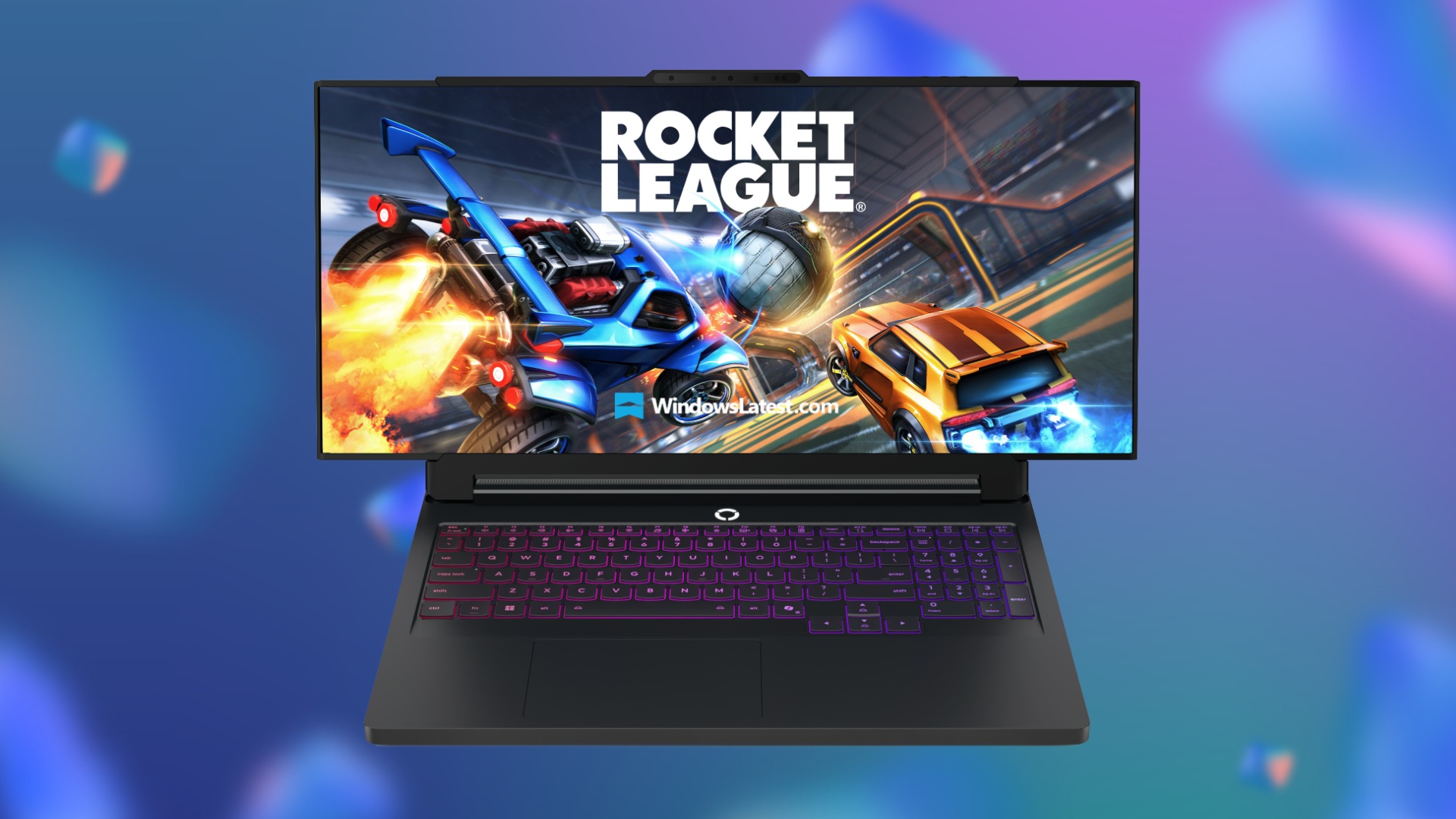

Lenovo S CES 2026 Concept Laptops A Rollable OLED Gaming Beast And A Lenovo CES 2026 Rollable Laptop Concepts 20260107 103129 . 10 Best Desktop Replacement Laptops For March 2026 Upgradable Best MSI Laptops . Lenovo S CES 2026 Stunner A Rollable OLED Legion That Might Just Be 1767749710 A Rollable OLED Legion And The Laptop Lenovo @CES2026 . Lenovo To Release An Ultrawide Legion Pro Gaming Laptop With Rollable Lenovo Legion Go Pro Rollable . 2026 ASUS ROG Zephyrus Duo Dual 16 Screen Gaming Laptop ROG Myanmar


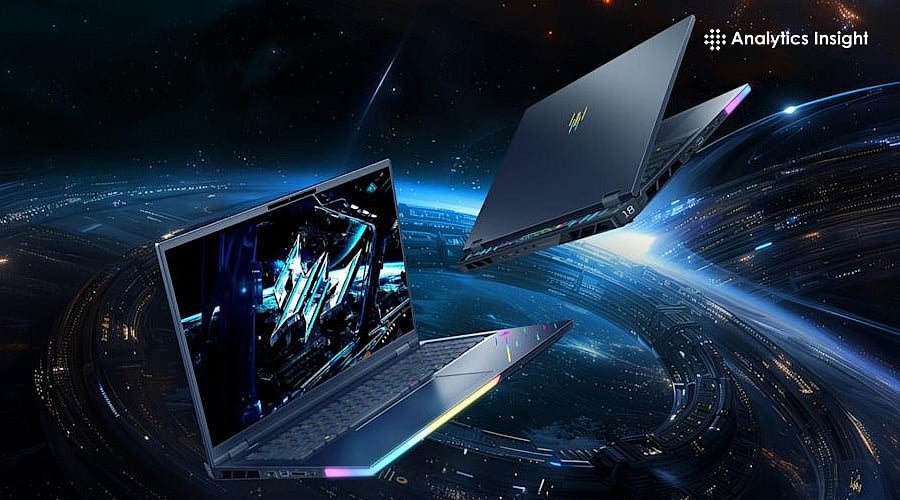

Gaming Laptop Vs Desktop Preferences Statistics 2026 Updated Icon Gaming Laptop Vs Desktop Preferences Statistics 2025.webp. Best Gaming Laptops At CES 2026 RTX 5090 Options Dual Screen Picks Lenovo Legion Pro Rollable Concept. Top Gaming Laptops In 2026 For Epic Performance 2025 12 30 Hvj1ybxo Top Gaming Laptops For 2026Most Powerful Picks . 10 Best Desktop Replacement Laptops For March 2026 Upgradable Best Gaming Laptops . CES 2026 Asus ROG Zephyrus Duo Is Finally A Proper Dual Screen Gaming Ces 2026 Asus Rog Zephyrus Duo Is Finally A Proper Dual Scre Tb22.1200
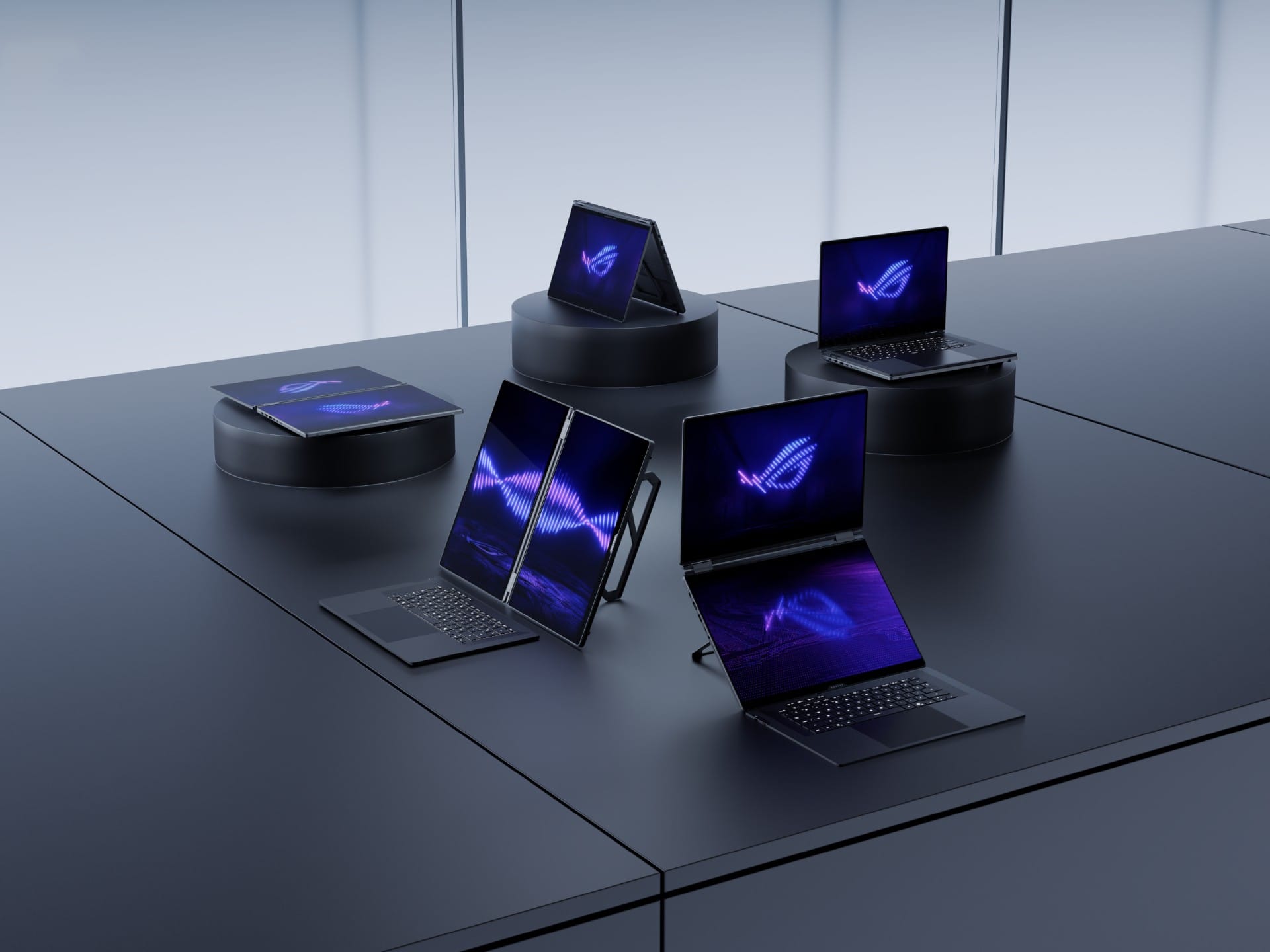

Asus ROG CES 2026 Zephyrus Laptops G1000 Desktop For UAE Asus Rog Ces 2026 News Uae . 5 Gaming Laptops That Can Replace Your Desktop . Best Gaming Laptops 2026 Top 5 Picks With RTX 50 GPUs Price Comparison Top 5 Gaming Laptops In 2026. Best Gaming Laptop 2026 Power Speed Immersive Performance Best Gaming Laptop 2026 . The Best Gaming Laptops Early 2026 TechSpot 2025 11 13 Image 16

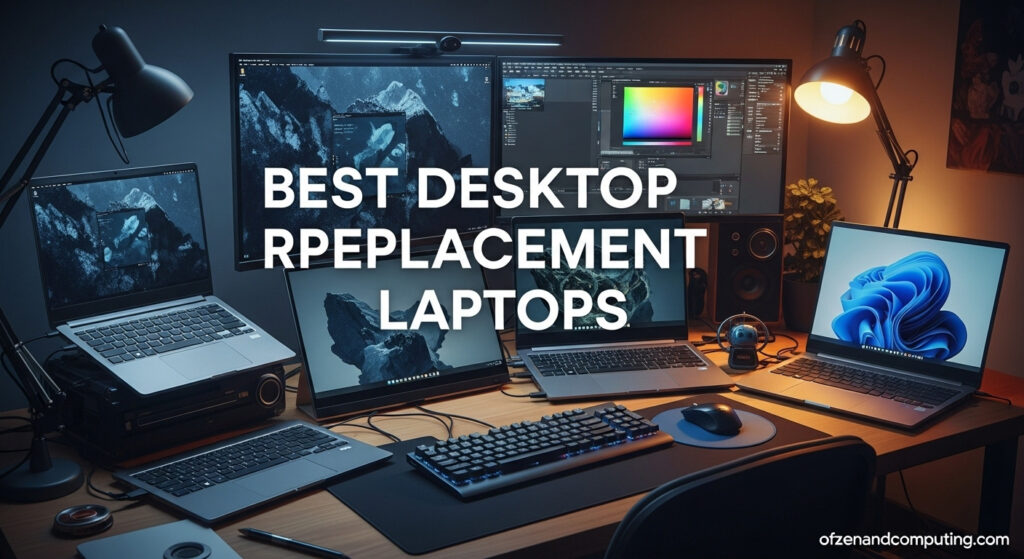


Best Gaming Laptops For 2026 Top Picks And Reviews Tech In Deep Best Gaming Laptops For 2026 300x300 . Gaming Laptops Are They Truly Worth It In 2024 Gaming Laptops . 10 Best Desktop Replacement Laptops For March 2026 Upgradable Best Desktop Replacement Laptops 1024x559 . Best Gaming Laptops For Every Type Of Gamer In 2026. The Best Cheap Gaming Laptops For 2026 Tested For Gaming Top 3 Gaming Laptops Of 2026 - The Ultimate Guide 1200x342

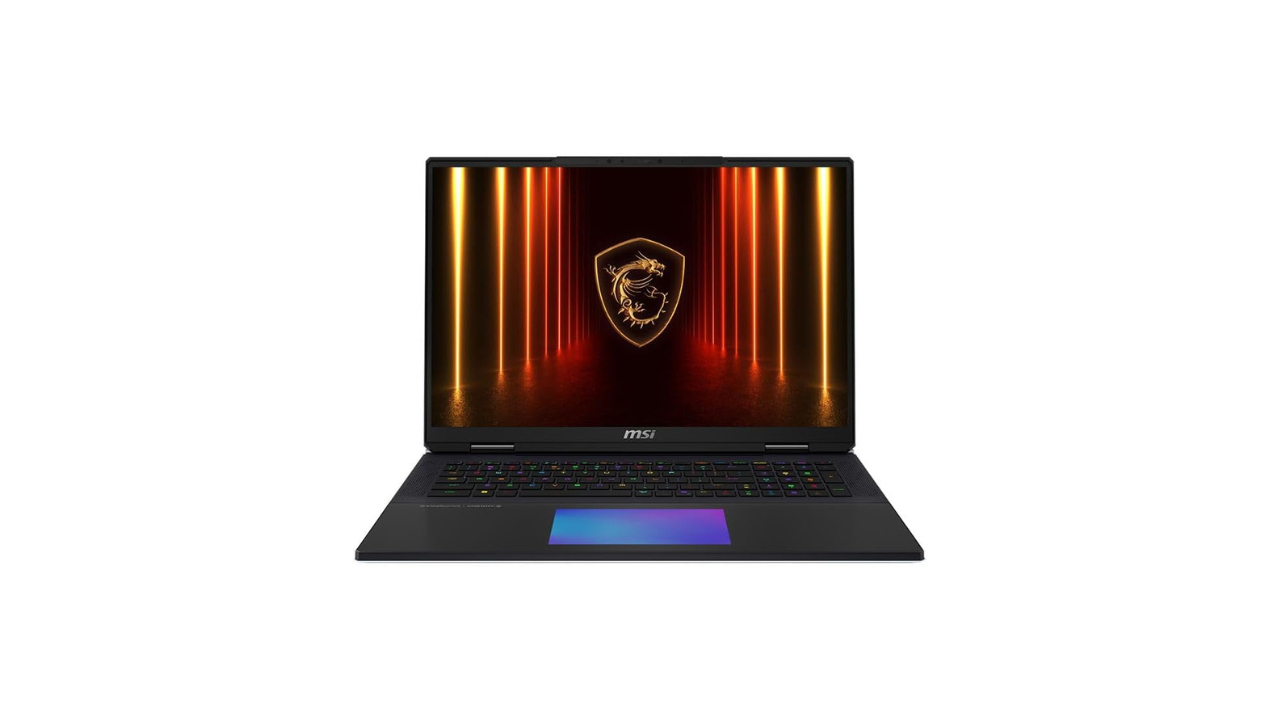
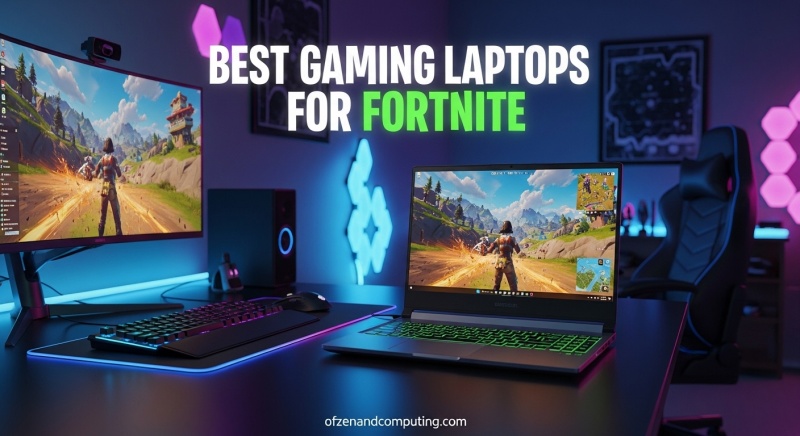
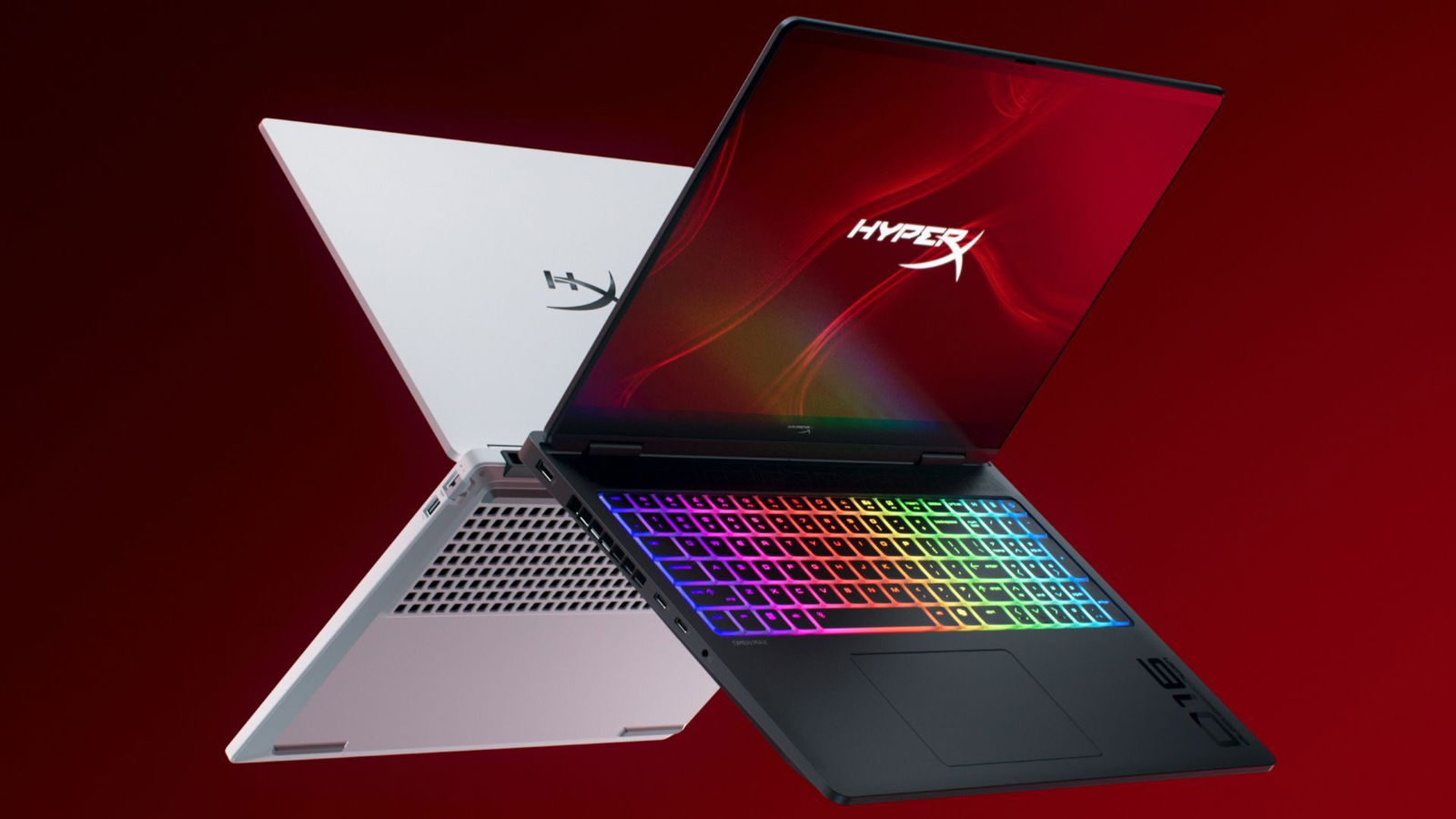
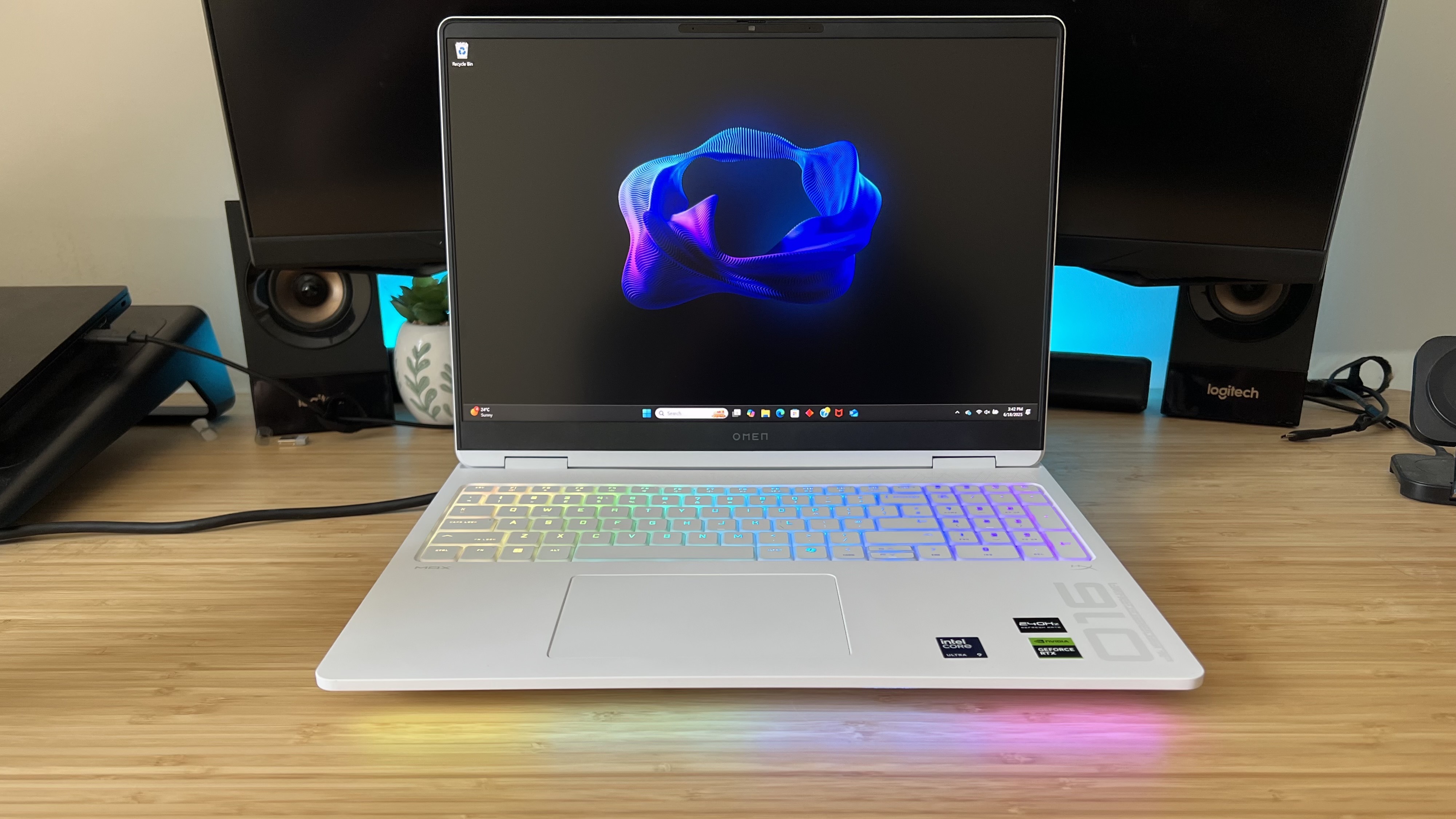
Best Gaming Laptops 2026 Forbes Vetted 960x0 . Top 5 Best Gaming Laptops For 2026 The Ultimate Guide 2026 Rank1one Gaming Laptops . 10 Best Desktop Replacement Laptops For March 2026 Upgradable Best Gaming Laptops For Fortnite . CES 2026 HyperX OMEN Gaming Laptops Have Been Revealed Ces 2026 Hyperx Omen Gaming Laptops Have Been Unleashed 2026 01 03 164747 . The Best Razer Laptops In 2026 GamesRadar
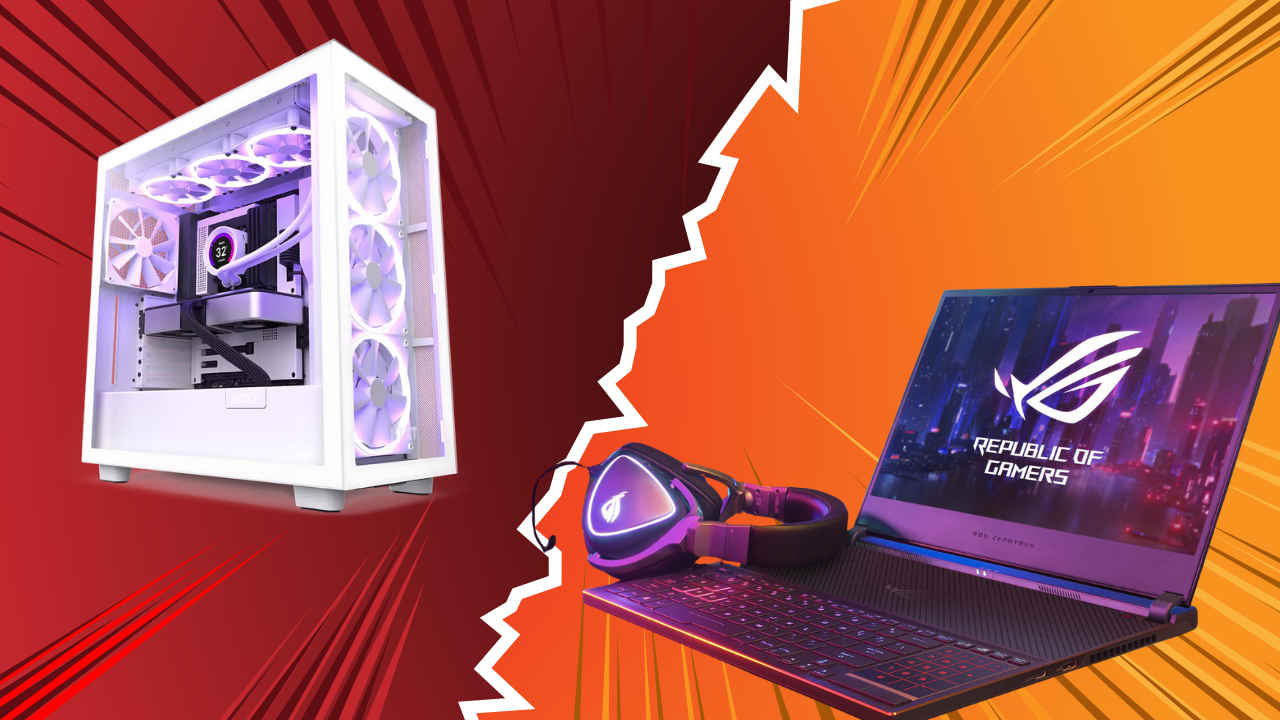
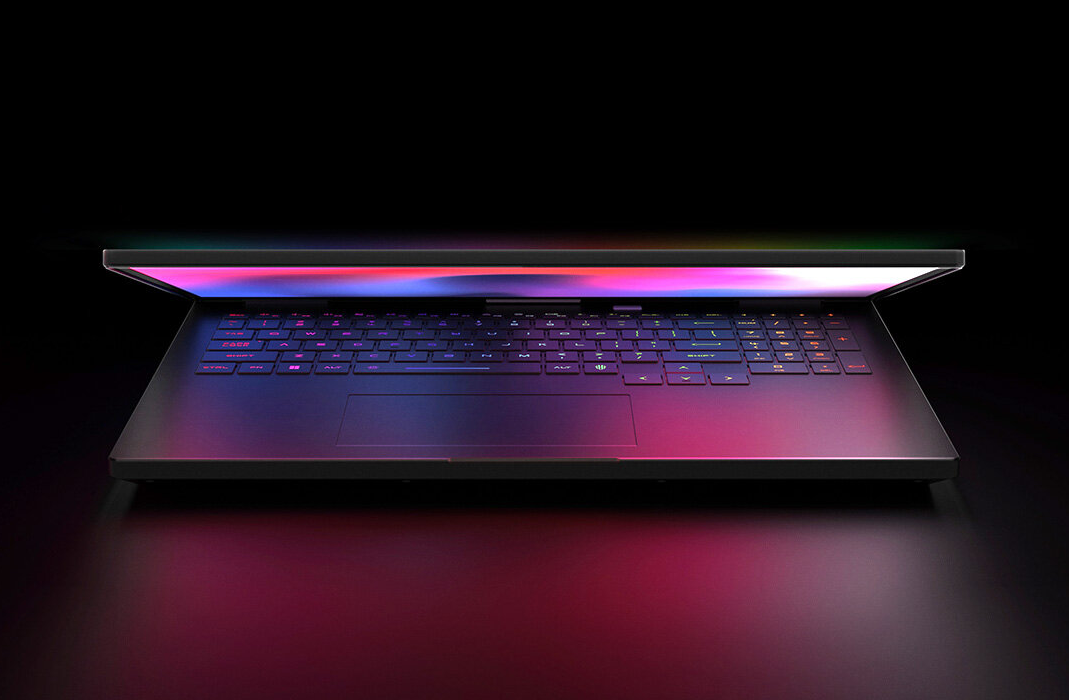
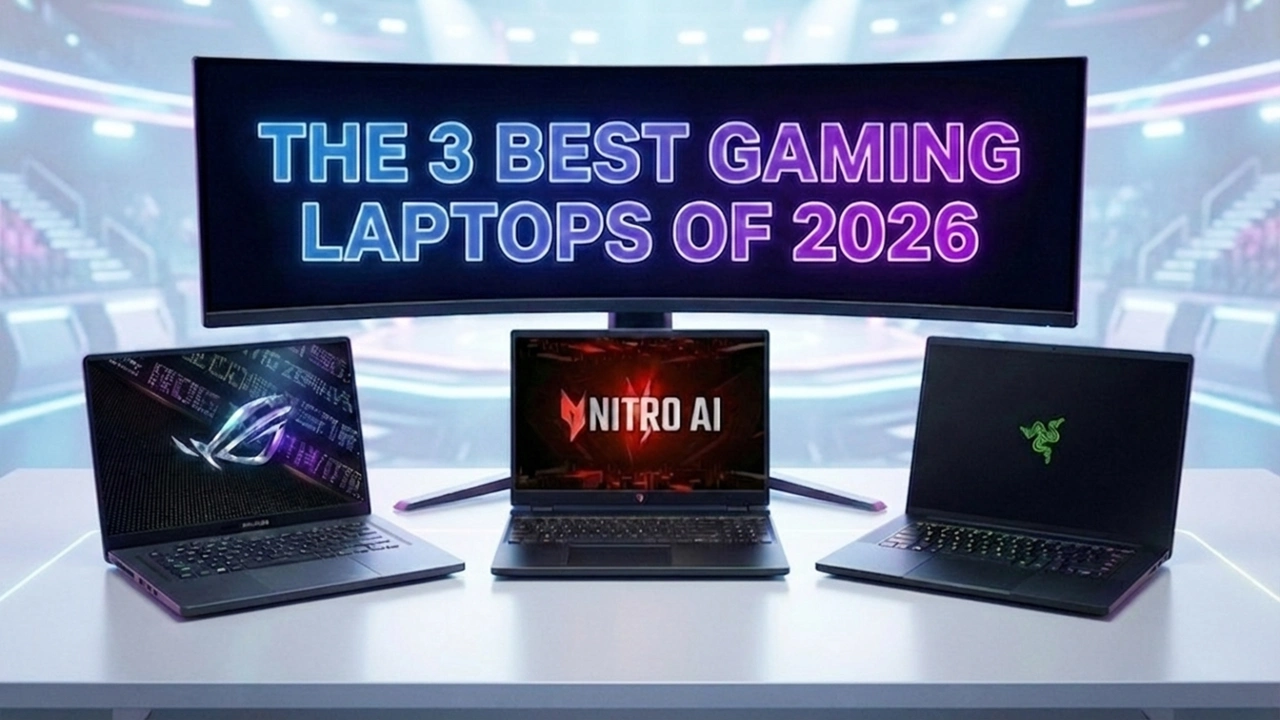
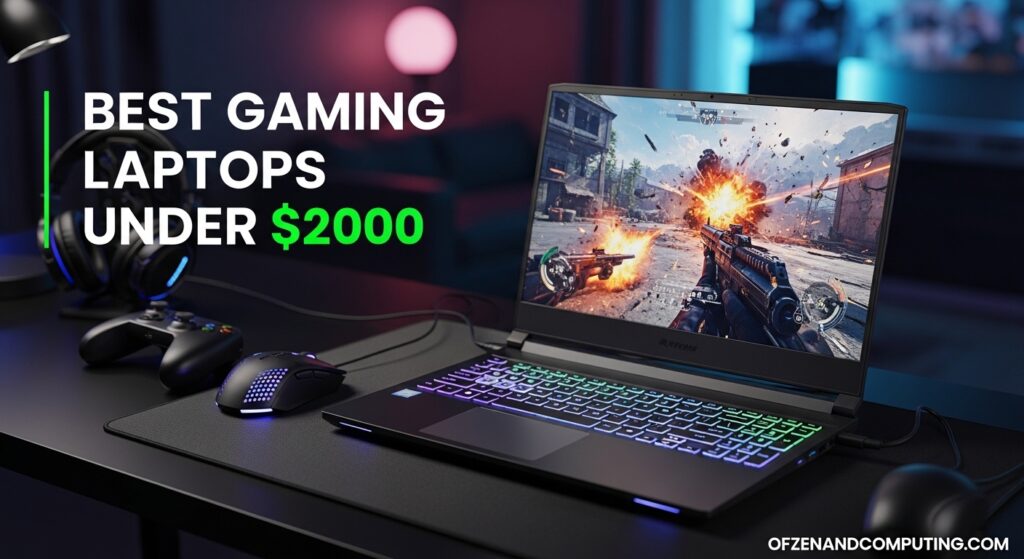

Gaming PC Vs Gaming Laptop What Makes More Sense For You In 2026 Gaming PC Vs Laptop . Red Magic Gaming Laptop 16 Pro 2026 With Core Ultra 9 275HX RTX 5090 Red Magic Gaming Laptop 16 Pro 2026 . The 3 Best Gaming Laptops Of 2026 Expert Reviews Picks The 3 Best Gaming Laptops Of 2026.webp. 10 Best Desktop Replacement Laptops For March 2026 Upgradable Best Gaming Laptops Under 2000 1024x559 . Best Desktop Replacement Laptops 2026 10 Powerhouse Models Tested Best Desktop Replacement Laptops 1024x559
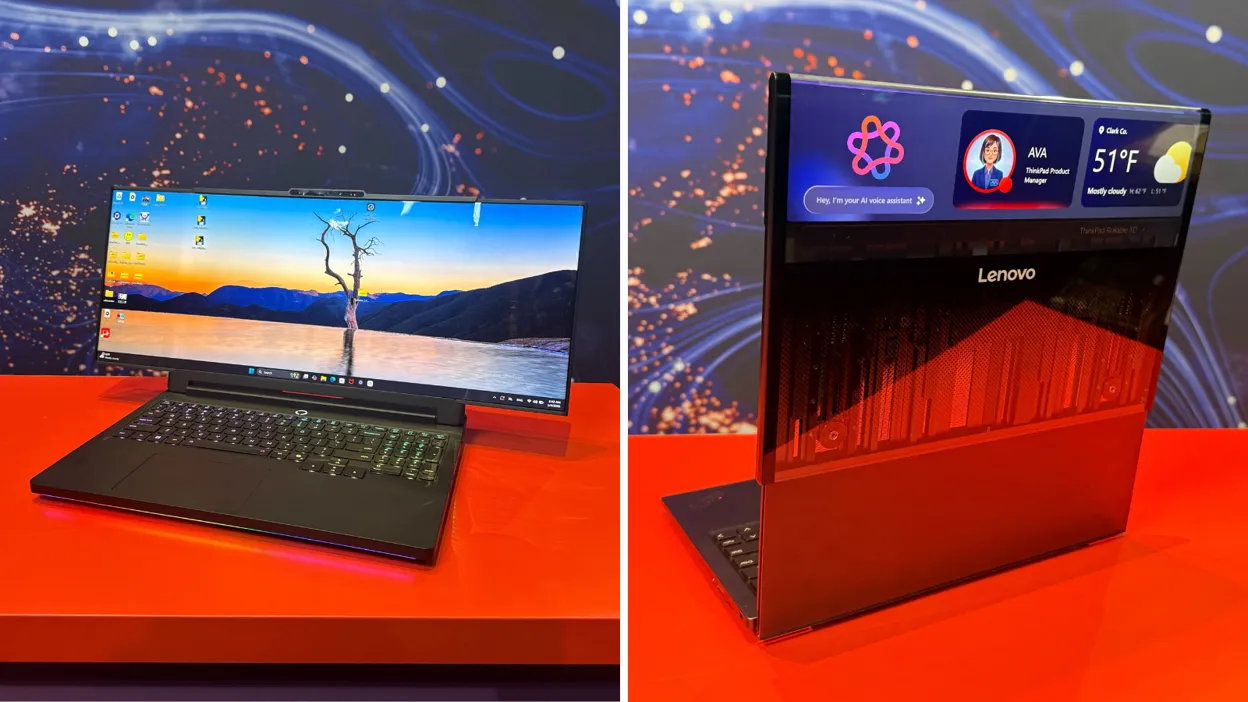
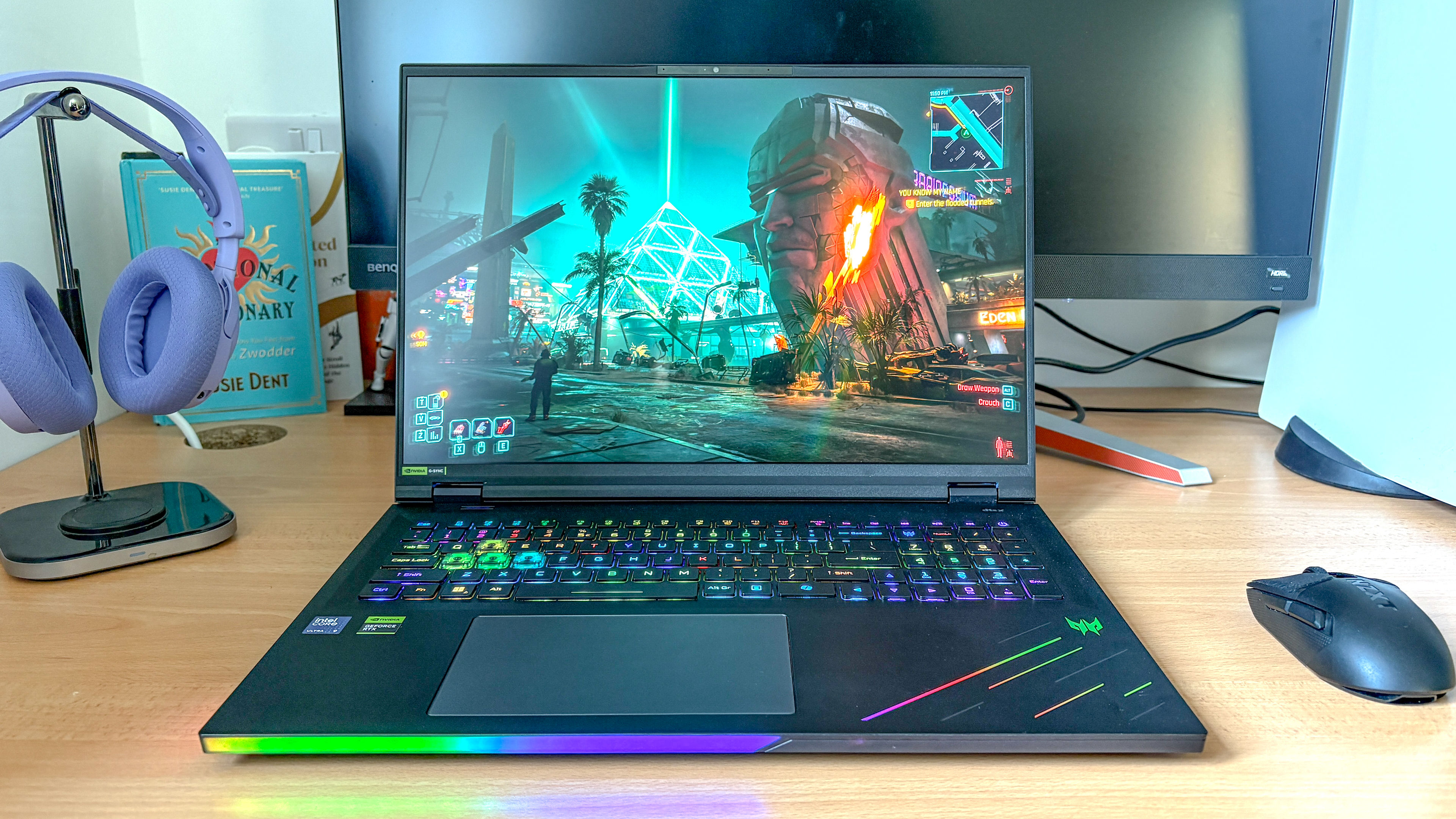

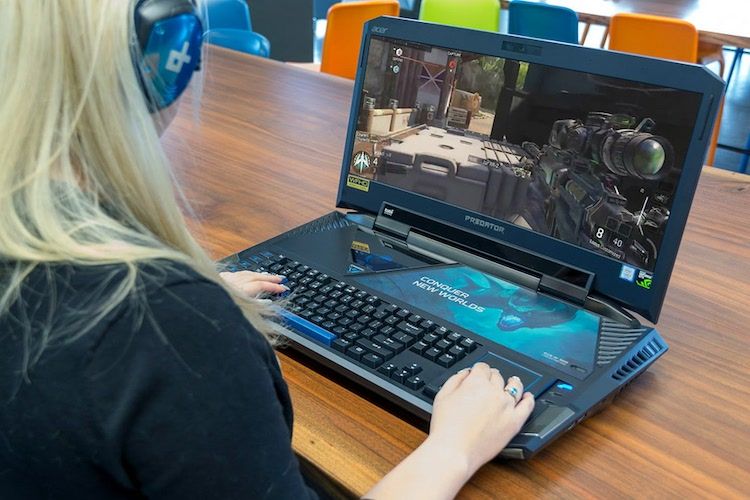
Lenovo Unveils Innovative Gaming And Rollable Laptops At CES 2026 20260108 Img 20260108. I Swapped A Gaming Desktop For A Gaming Laptop Here S How They Stack . Best Gaming Laptop 2026 Real World Picks I D Actually Buy Gamer Org A Sleek Tech Thumbnail Design Featuring . MSI S 2026 Laptop Lineup Intel Panther Lake Arrives Raider 16 MAX HX Image. The Best Desktop Replacement Laptops Of 2020 Upgradable Like PC Best Desktop Replacement Laptop