Ever wondered if your gaming rig is getting the most out of its processor? For many busy gamers balancing work, family, and a precious few hours of relaxation, understanding how a game utilizes your CPU's cores can be a game-changer. This comprehensive guide cuts through the technical jargon to explain whether modern gaming leans on single-core speed or multi-core power. We'll explore the evolving landscape of game development, offer practical advice on optimizing your current setup, and help you make smart decisions for future hardware upgrades without breaking the bank. Discover how to get smoother frame rates, better multitasking performance, and a more enjoyable gaming experience, whether you're diving into the latest AAA title, catching up with friends in a social game, or even dabbling in a bit of streaming. We'll address common pain points like performance bottlenecks and budget-friendly upgrades, ensuring you stay current and competitive in the dynamic world of gaming.
Does gaming use single or multi core processors more?
Modern games increasingly leverage multiple cores, but single-core performance remains critical. While newer titles are built with multi-threading in mind, distributing tasks like AI, physics, and rendering preparation across cores, certain core game processes are sequential. This means a high single-core clock speed is still vital for ensuring smooth frame rates, preventing bottlenecks, and providing the best experience, especially in less perfectly optimized or older games.
How Can I Tell If My Game Is CPU or GPU Limited?
The easiest way to check if your game is CPU or GPU limited is by monitoring component utilization. Use an overlay tool like MSI Afterburner or your operating system's Task Manager (Performance tab). If your GPU usage is consistently at 99% while your CPU usage is lower, you're likely GPU-limited. Conversely, if your CPU usage is high (e.g., above 80-90% on multiple cores) and your GPU usage is lower (e.g., 60-70%), your CPU is likely the bottleneck. Fluctuating frame rates and stutters, particularly in busy game scenes, also often point to CPU limitations.
Which Games Benefit Most from Multi-Core CPUs?
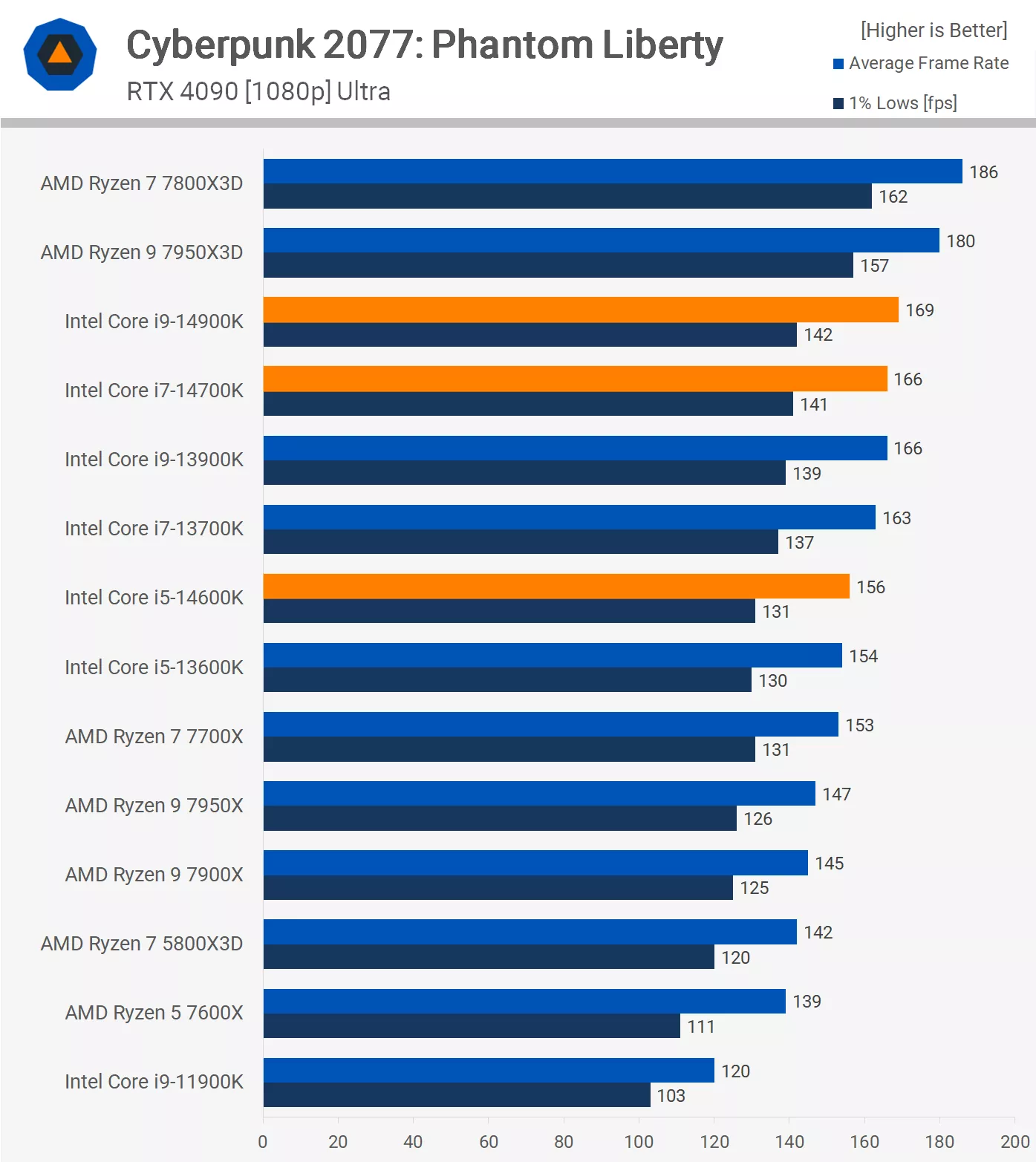
Games that benefit most from multi-core CPUs are typically modern AAA titles, especially open-world games, grand strategy games, detailed simulation games, and many competitive online multiplayer games. These genres feature complex AI, extensive physics simulations, large numbers of concurrent objects, and intricate world generation that can be efficiently distributed across multiple CPU cores. Examples include titles like Cyberpunk 2077, Starfield, Microsoft Flight Simulator, and large-scale battle royales, where the game engine actively uses multi-threading to handle diverse tasks simultaneously.
What's the Ideal Core Count for Gaming and Streaming in 2026?
For gamers who also stream, an 8-core/16-thread CPU (like an Intel i7 or AMD Ryzen 7 equivalent) is the sweet spot in 2026. This allows you to dedicate sufficient cores to running your game smoothly while simultaneously allocating other cores to handle the demanding task of real-time video encoding for your stream. This setup prevents your stream from impacting your in-game frame rates or causing dropped frames on your broadcast, ensuring a high-quality experience for both you and your audience. For casual streaming, a 6-core/12-thread CPU can suffice, but 8+ cores offer significantly more headroom.
Will Upgrading My CPU Cores Always Improve Gaming Performance?
Not always. Upgrading your CPU's core count will primarily improve performance if your current processor is demonstrably bottlenecking your GPU. If your GPU is already running at 99% utilization in most scenarios, adding more CPU cores won't provide significant frame rate improvements because your graphics card is already working at its maximum capacity. Performance gains are most noticeable in CPU-bound games, scenarios with many background applications, or when pairing a new high-end GPU with an older, weaker CPU. Always monitor your CPU and GPU usage to determine where the bottleneck lies before making an upgrade decision.
How Can I Optimize My Current PC for Better Core Utilization in Games?
Optimizing your current PC involves a few key steps. First, ensure your operating system and graphics drivers are up-to-date. Close unnecessary background applications and services before launching a game to free up CPU resources. Within game settings, look for options related to CPU usage, such as adjusting crowd density, physics details, or AI complexity, as these often tax the CPU. Some games also have specific multi-threading options. For advanced users, checking your BIOS for CPU features like XMP for RAM and ensuring proper cooling can also prevent thermal throttling, which can reduce CPU performance.
Are More Cores Better for Future-Proofing My Gaming Rig?
Yes, investing in a CPU with a higher core count is a good strategy for future-proofing your gaming rig. As game development continues to evolve and engines become even more adept at multi-threading, future titles are likely to utilize more cores more effectively. While current games might not fully saturate an 8-core or 10-core CPU, having that extra horsepower means your system will be better prepared to handle the demands of games released in the next 3-5 years. This approach helps ensure that your CPU remains relevant for longer, saving you from needing another costly upgrade sooner. Balance core count with sufficient single-core speed for optimal future performance.
Hey fellow gamers! If you're anything like me, you're constantly trying to squeeze every last drop of performance out of your gaming rig, especially when life's demands mean your gaming sessions are precious. We've all been there: a new game drops, our frames dip, and we're left wondering if our trusty CPU is the bottleneck. The big question often floating around is, "Does gaming use single or multi core processors more?" It's a critical piece of the puzzle for anyone looking to optimize their setup, whether you're building a new PC, contemplating an upgrade, or just trying to understand why some games run smoother than others.
For the average gamer, who's about 36 years old and part of the 87% of US gamers who play regularly, often for 10+ hours a week despite busy schedules, understanding this isn't just about raw power; it's about smart spending and maximizing fun. We want relaxation, skill-building, social play, and great performance, all without unnecessary hype or expense. This guide is designed to demystify how your games interact with your CPU, helping you make informed decisions that benefit your wallet and your kill-to-death ratio. We'll tackle common issues from choppy gameplay to struggling with background apps, and provide practical, no-nonsense advice for getting the most out of your hardware in 2026 and beyond.
Let's dive in and uncover the truth about CPU core usage in gaming, so you can stop guessing and start playing smarter.
How Do Modern Games Utilize CPU Cores in 2026?
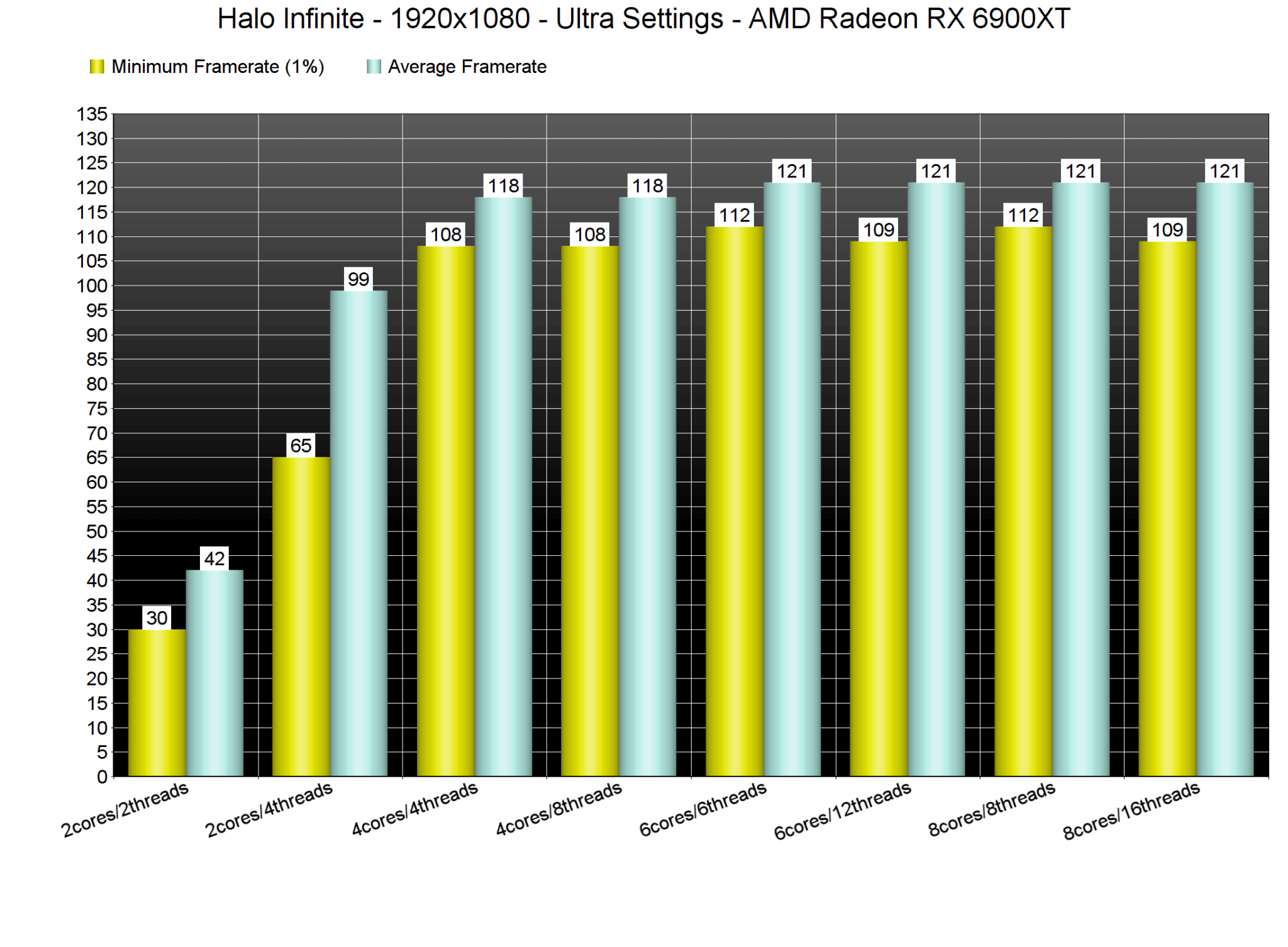
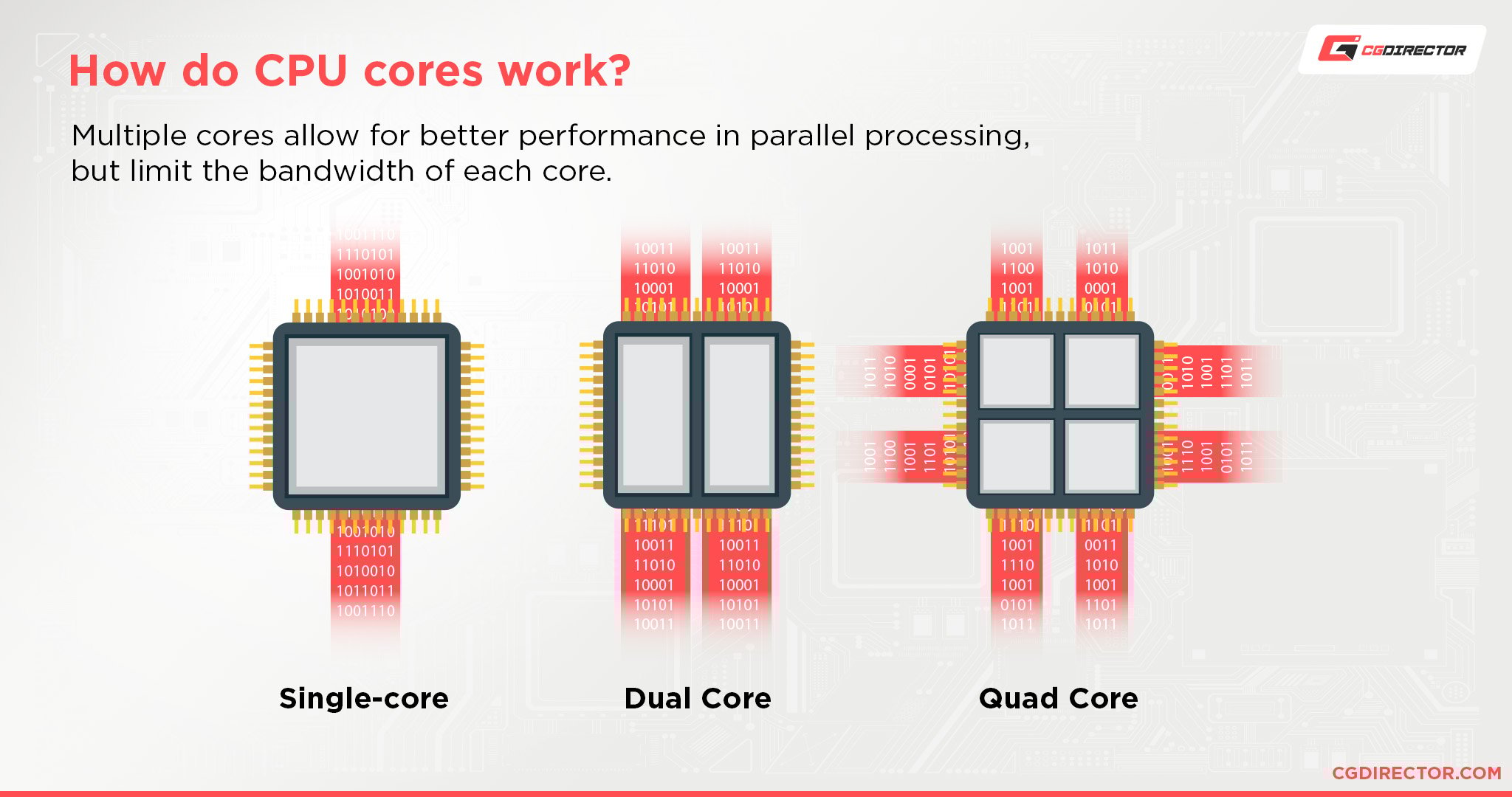
In 2026, the landscape of game development has shifted significantly towards multi-core optimization. While historically, games relied heavily on a single powerful core for their main logic, newer game engines are designed to distribute workloads across multiple cores more effectively. This means that instead of one core doing all the heavy lifting for AI, physics, and rendering preparation, these tasks can be spread out. For example, a complex open-world title might assign environmental processing to one set of cores, character AI to another, and audio processing to yet another. This multi-threading approach is crucial for delivering the rich, detailed, and dynamic experiences gamers now expect, especially in popular social games and competitive titles that demand quick processing.
Is Single-Core Speed Still Important for Gaming Performance?
Absolutely, yes! Even with the shift towards multi-core utilization, single-core speed remains incredibly important. Think of it like this: while many tasks can be divided, some core game processes, like rendering instructions for your GPU or processing very specific game logic, are inherently sequential and can't be easily split across cores. If that one crucial core isn't fast enough, it can become a bottleneck, regardless of how many other cores you have. This is why you'll often see benchmarks where CPUs with fewer, faster cores sometimes outperform those with more, slower cores in certain gaming scenarios. For gamers prioritizing raw frame rates, especially in less perfectly optimized titles, a high single-core clock speed is still a kingmaker.
What Role Does Core Count Play in Modern AAA Titles?
For modern AAA titles, particularly those released in 2024-2026, core count plays a very significant role. Games like expansive open-world RPGs, detailed simulation games, and many competitive online multiplayer games with complex physics and AI benefit immensely from CPUs with 6, 8, or even more cores. These games are designed with multi-threading in mind, offloading different aspects of the game world to various cores. More cores mean the game can handle more simultaneous operations, leading to smoother gameplay, fewer stutters, and better overall frame pacing. This is especially noticeable for gamers who enjoy high refresh rates or play at higher resolutions, as the CPU has to prepare more data for the GPU.
How Many CPU Cores Are Optimal for a Dedicated Gaming PC in 2026?
For a dedicated gaming PC in 2026, 6 to 8 cores is generally the sweet spot for most gamers. A 6-core/12-thread CPU (like an Intel i5 or AMD Ryzen 5 equivalent) offers excellent performance for almost all games and provides good value for money. If your budget allows, an 8-core/16-thread CPU (i7 or Ryzen 7) offers more headroom for future titles, improves performance in heavily multi-threaded games, and is fantastic for multitasking, such as streaming your gameplay while playing. Anything beyond 8 cores, while beneficial for professional workloads like video editing or 3D rendering, often sees diminishing returns for pure gaming performance, though it can certainly help if you're consistently running many background applications or streaming at very high quality.
Does a High Core Count Help with Streaming and Gaming Simultaneously?
Absolutely! If you're one of the many gamers who also stream their adventures on platforms like Twitch or YouTube, a higher core count is a huge advantage. Streaming software like OBS Studio can be very CPU-intensive, especially when encoding video in real-time. By having more cores, your CPU can dedicate a set of cores to running the game smoothly, while other cores handle the demanding task of encoding your stream without impacting your in-game performance. This separation of duties ensures that both your gameplay and your stream output remain fluid and high-quality, providing a much better experience for both you and your viewers. It's a key consideration for content creators looking to balance gaming with their passion for sharing it.
What are the Common CPU Bottlenecks Gamers Face and How to Identify Them?
CPU bottlenecks occur when your processor can't keep up with the data demands of your graphics card, causing your GPU to sit idle part of the time instead of rendering frames. This results in lower frame rates than your GPU is capable of. Common signs include: erratic frame rates, especially in CPU-intensive areas of games (like large cities or crowded multiplayer battles), your GPU utilization consistently being below 99% while your CPU utilization is high, or your game feeling generally
Modern games increasingly leverage multiple CPU cores; Single-core performance remains crucial for older titles and core game logic; Understanding CPU usage optimizes gaming performance; Future-proofing your rig involves balancing core count and clock speed; Budget-friendly upgrades can target specific bottlenecks.
35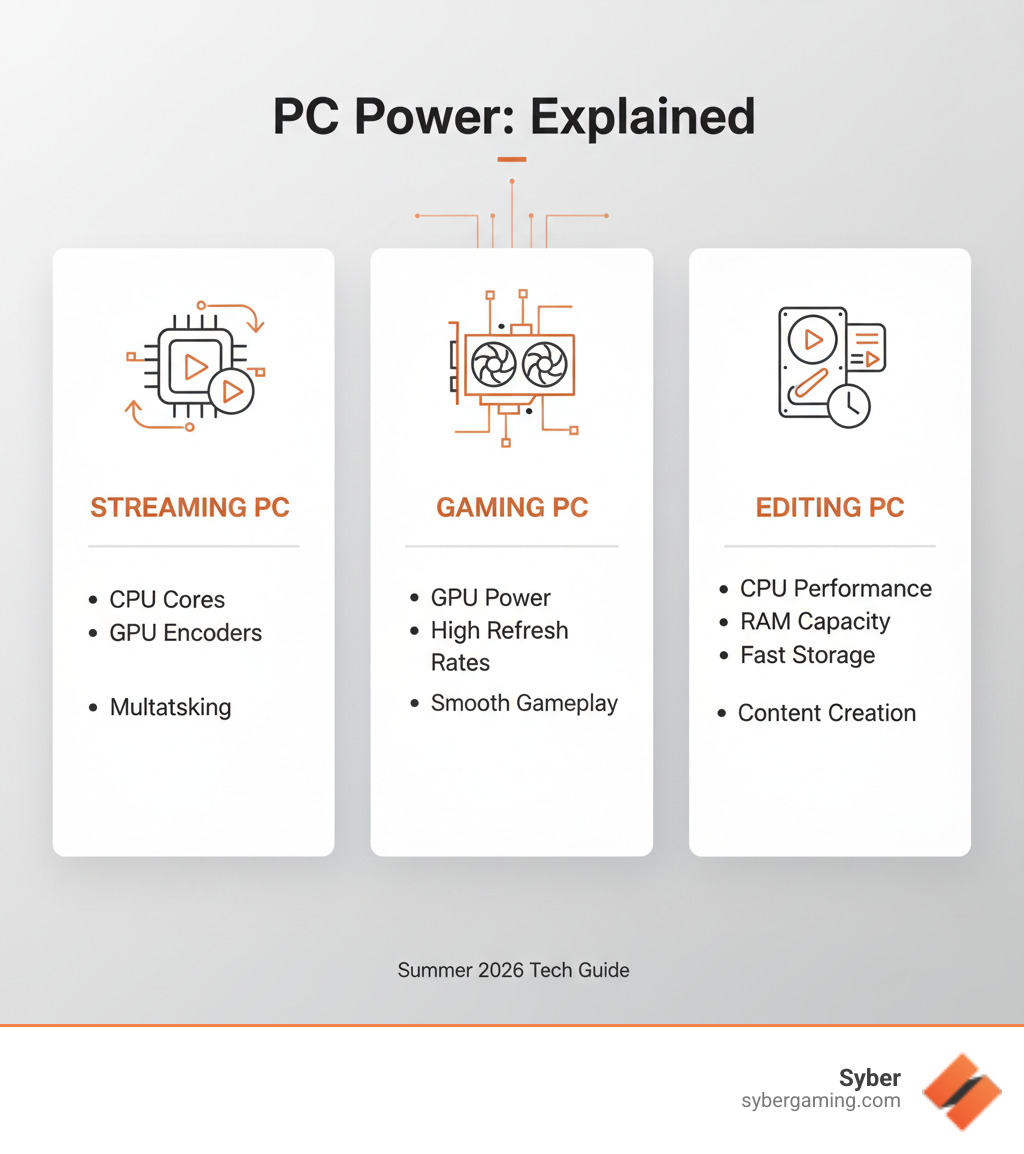


Summer 2026 PC Best Buy Guide Prebuilt Power For Streamers SoftBit . Laptop Buying Guide 2026 How To Choose The Right One Core I3 Core I5 Laptop Right 2026 Main . Cores Vs Clock Speed The Gaming CPU Battle Multi Core Vs Single Core Value Gaming Cpu Facts For Sa.webp. Best Cores On CPU For Gaming March 2026 Buyer S Guide Model Tested Best Cores On CPU For Gaming . Do Games Use Multiple Cores How Many Cores Games Need Hallo Inifinite Core Count Benchmark 2048x1506



8 Best Gaming And Streaming CPU 2026 Reviews Performance Featured Image Zzsnrx91 . Is The Core I7 13620H CPU Good For Gaming Intel Mobile 13620h For Gaming.webp. CES 2026 Intel Reveals Custom Chips For Handheld Gaming PCs Of Future 0iHe RP2 . Intel Nova Lake 2026 Leak 10 Single Core And 60 Multi Core CP2077 . How Many Cores Do You Need For Gaming Unslider Single Core


CES 2026 Intel Reveals Core Ultra 300 Series 3 Processor Lineup Xc Intel CES 2026 Core Ultra Series 3 Global Launch Press Deck FINAL 21 . CPUs With The Highest Multi Core Performance Updated List How Do CPU Cores Work . PC Gaming 2026 The End Of An Era And The Advent Of Next Gen Ventilateur Carte Graphique 700x420 . M4 Mac Mini Vs M2 Mac Mini Compared Specs Features Price 61346 127224 MacminiGB 1 Xl . Do Games Use Multiple Cores How Many Cores Games Need Do Games Use Multiple Cores



The Gaming PC You Need To Build For 2026. Core Ultra Series 2 With Lunar Lake Intel Introduces Its Most Csm Screenshot 2024 09 03 125222 78b75eb0ff . Best Desktop CPUs 2026 Gaming Vs Guide 4 1024x576 . From Gaming To Dual Focus Evolving Strategies In 2026 LevelUpTalk Gamers 02 03 2026 435585de 9b0c 4d4c B715. 10 Of The Most CPU Intensive PC Games In 2026 Most CPU Intensive PC Games 2026 300x169




Ultimate Gaming PC CPU And GPU Buying Guide 2026 NoobFeed Amd Ryzen 5 7600 . Intel S Next Gen Panther Lake CPUs Launching At CES 2026 Available In 108157 07 Intel Panther Lake Core Ultra Series 3 Cpus To Launch At Ces 2026 In Q1 . Best CPU For Gaming 2026 Top Gaming Processor The Best CPU For Gaming In 2026 01 . 2026 ASUS ROG Zephyrus Duo Dual 16 Screen Gaming Laptop ROG Myanmar . 12 Best CPU For Gaming 2026 Ultimate Performance Guide B0CGJ4MLC8 Customer 1 1 1157x1536



Best AMD CPU For Gaming 2026 8 Processors Tested B0BBJ59WJ4 Customer 1 10 283x300 . Taking An EARLY Look At The 2026 Gaming Lineup YouTube . Which Xbox Game Pass Plan Is Right For You In 2026 Xbox Game Pass Core 1. 13 Best GPUs For Gaming 2026 Top Graphics Cards Ranked Banner 2 1.webp. The Coolest Gaming Tech Unveiled At CES 2026 Hypebeast Coolest Gaming Tech Unveiled Ces 2026 16




Do Games Use Multiple Cores How Many Cores Games Need. Intel CPU Roadmap 2025 2026 Arrow Lake Refresh Panther Lake Nova Core Ultra 200 1600x900 . CES 2026 From New Intel Chips To Far Too Much AI Here S Everything We 1024 80 . RTX Cores Unleashed CES 2026 Gaming AI Revolution Artificial Ces 2026 Rtx Hero. Exclusive Intel Is Making Its Own Handheld Gaming PC Chips At CES 2026 Img 7295