Navigating the online gaming world can be a frustrating experience filled with lag geo-restrictions and privacy concerns Many dedicated gamers juggling careers and family life seek ways to optimize their precious gaming time This comprehensive guide dives deep into what are gaming VPNs explaining how these Virtual Private Networks can transform your online play Discover how a gaming VPN enhances connection stability reduces ping and unlocks regional content all while protecting your digital privacy We explore the essential features to look for debunk common myths and provide practical advice for setup and troubleshooting Whether you are a casual player enjoying social games or a competitive enthusiast aiming for peak performance understanding gaming VPNs is crucial in todays digital landscape Learn how to bypass unfair bandwidth throttling secure your data from cyber threats and join friends in games regardless of geographical boundaries This resource is designed to empower you with the knowledge to make informed decisions and elevate your gaming experience without unnecessary hype focusing on real-world benefits for busy US gamers who prioritize value and performance Get ready to game smarter not harder with the right tools at your disposal
Q: What exactly is a gaming VPN and why should a serious US gamer care about it?
A: A gaming VPN, or Virtual Private Network, creates a secure, encrypted tunnel for your internet traffic. For a serious US gamer, this means several key advantages. It can optimize your connection route to game servers, potentially reducing lag and ping by bypassing congested ISP pathways. It also masks your real IP address, protecting you from DDoS attacks and enhancing your online privacy. Furthermore, a VPN allows you to virtually change your location, unlocking access to geo-restricted game servers, early game releases, or regional content. For busy gamers balancing life and play, a VPN helps ensure every precious gaming moment is smoother, safer, and more accessible.
Q: Will a gaming VPN consistently reduce my ping and make my games less laggy?
A: While not a magic bullet for all lag, a gaming VPN can significantly reduce ping and improve stability in many situations. Your ISP's default routing to game servers might be inefficient, taking a longer or more congested path. A VPN can re-route your connection through an optimized server closer to the game's host, potentially shortening data travel time. Additionally, if your ISP throttles your bandwidth based on activity, the VPN's encryption prevents them from seeing you're gaming, thus circumventing throttling. It's about optimizing your existing connection, not creating a faster one from scratch, making your gaming experience more consistent.
Q: How do I choose the right gaming VPN service amidst so many options available today?
A: Choosing the right gaming VPN requires focusing on specific features. Prioritize providers with extensive, high-speed server networks, especially those with servers near popular game server locations. Look for VPNs that offer gaming-optimized protocols like WireGuard, known for its speed and efficiency. Crucially, ensure the VPN has a strict no-logs policy and robust security features like a kill switch to protect your data. Check for multi-device support, intuitive software, and reliable customer service. Free VPNs are generally inadequate for gaming. Opt for reputable paid services that offer trials or money-back guarantees to test performance before committing, ensuring value for your investment.
Q: Can using a VPN help me access games or content that are blocked in my region?
A: Absolutely. One of the most common and effective uses of a gaming VPN is bypassing geo-restrictions. Many games, downloadable content, and even specific game servers are region-locked, preventing players from certain geographical areas from accessing them. By connecting to a VPN server in a different country, your internet traffic appears to originate from that location. This tricks the game or platform into thinking you're in the allowed region, granting you access to otherwise restricted content, early releases, or enabling you to play with friends on foreign servers. It's a powerful tool for expanding your gaming library and social reach.
Q: Are there any legal or ethical concerns I should be aware of when using a VPN for gaming?
A: In most countries, including the US, using a VPN is perfectly legal. However, the ethics and legality can get grey when it's about specific game terms of service. Some game publishers prohibit VPN use, particularly if it's employed to exploit regional pricing differences for in-game purchases or to gain unfair advantages in competitive play by connecting to less populated servers. While using a VPN for general security or minor ping improvements is typically overlooked, it's wise to review a game's specific EULA if you plan on using it for geo-restriction bypassing to avoid potential account penalties. Always prioritize reputable VPN providers to ensure ethical usage.
Q: How can I set up my gaming VPN to get the best performance for online multiplayer?
A: For optimal multiplayer performance, first, select a VPN server geographically close to the game server, not just your physical location. Second, use a fast, modern VPN protocol like WireGuard if your provider offers it. Third, enable a kill switch to prevent accidental IP leaks. Fourth, consider using split tunneling to route only your game traffic through the VPN, freeing up bandwidth for other applications. Always keep your VPN client updated, and test different server locations to find the most stable connection. For consoles, setting up the VPN on your router is the most effective method, protecting all connected devices.
Q: Beyond ping, what are the core privacy and security benefits of a gaming VPN?
A: Beyond performance, a gaming VPN offers crucial privacy and security benefits for online play. It encrypts your entire internet connection, safeguarding your data from potential hackers, your ISP, and even government surveillance. This encryption protects your personal information, login credentials, and in-game transaction details. Crucially, by masking your real IP address, a VPN makes you far less vulnerable to Distributed Denial of Service (DDoS) attacks, which are unfortunately common in competitive online gaming. It adds a vital layer of anonymity and defense, allowing you to game with peace of mind without worrying about malicious interruptions or privacy breaches.
Every gamer knows that feeling. You've finally carved out some precious time after a long day of work or family duties, you fire up your favorite game, ready to unwind, socialize with friends, or maybe even sharpen those competitive skills. Then it hits you: frustrating lag spikes, server issues preventing you from playing with buddies across states, or maybe a nagging worry about online security. It's a common pain point for many of us balancing a passion for gaming with real-world responsibilities. In fact, recent data indicates that a significant 87% of US gamers play regularly, often dedicating 10 or more hours a week to their favorite titles, many across mobile, PC, and console platforms. With social gaming continuing to dominate, ensuring a smooth, secure, and accessible experience is more important than ever.
You might have heard whispers about "what are gaming VPNs" and wondered if they're just another tech gimmick. Let's cut through the hype. A Virtual Private Network, or VPN, can be a game-changer, but understanding how it specifically benefits your gaming requires a clear, no-nonsense guide. This article is designed to be that trusted friend who helps you navigate the digital complexities. We'll demystify what are gaming VPNs, explore their genuine benefits for busy gamers like you, and provide practical advice to optimize your setup, ensuring your valuable gaming time is spent having fun, not fighting connection issues. Get ready to unlock a smoother, more secure, and more expansive gaming world.
What are Gaming VPNs and How Do They Work?
At its core, a gaming VPN is a service that encrypts your internet connection and routes it through a server operated by the VPN provider. Imagine your internet traffic not going directly from your home to the game server, but instead taking a secure, private tunnel through the VPN server first. When it comes to gaming, this process offers several distinct advantages. Your IP address is masked, appearing as the VPN server's IP, which can be located anywhere in the world. This secure tunnel protects your data from prying eyes, including your Internet Service Provider (ISP), and potentially malicious actors who might target your connection.
For gamers, the "how" is crucial. When you connect to a VPN server, your device sends encrypted data to that server. The VPN server then decrypts the data and forwards it to the game server, and vice-versa. This redirection can sometimes shorten the physical distance your data travels to the game server, leading to better ping. It also means your ISP cannot easily see your online activity, preventing potential bandwidth throttling often applied during peak gaming hours. What are gaming VPNs truly provide is a layer of control and security over your internet pathway, which can be invaluable in the often-unpredictable online gaming environment.
Why Should a Busy Gamer Consider Using a VPN?
Life as a busy gamer means maximizing every minute. For adults juggling careers and families, gaming is a cherished escape, a way to relax, socialize, and de-stress. A gaming VPN can significantly enhance this experience by addressing several common pain points. First, it helps combat frustrating lag and high ping, which can ruin competitive matches or even casual co-op sessions. Imagine trying to coordinate a raid or land a crucial headshot when your connection keeps stuttering; a VPN can potentially route you through a more optimized path to the game server, leading to a smoother connection.
Beyond performance, a VPN offers increased access. Many games and servers are geo-restricted, meaning you can't play with friends in other regions or access content released only in specific countries. A VPN allows you to virtually change your location, unlocking these barriers. Furthermore, privacy and security are paramount. With the rise of online threats, protecting your personal data and preventing DDoS attacks is essential, especially when you're engaging with communities on platforms like Discord. A VPN encrypts your traffic, safeguarding your information and often making you a less desirable target for malicious actors. It's about taking control of your online gaming environment and ensuring your limited gaming time is as enjoyable and secure as possible.
Can a Gaming VPN Really Reduce Lag and Improve Ping?
This is one of the most common questions, and the answer is nuanced but generally yes, under specific circumstances. A gaming VPN doesn't magically make your internet faster than your ISP provides, but it can optimize the route your data takes. Sometimes, your ISP's default routing to a game server might be inefficient, taking a roundabout path. A VPN can potentially offer a more direct, less congested route, which can result in lower ping (the time it takes for data to travel from your computer to the server and back) and reduced packet loss, leading to a smoother, less laggy experience.
Consider this scenario: your ISP routes your traffic through several overcrowded nodes before it reaches the game server. By connecting to a VPN server that has a more direct and less congested route to the game server, your data might arrive faster. Additionally, some ISPs are known to "throttle" internet speeds for certain activities, including gaming, especially during peak hours. Since a VPN encrypts your traffic, your ISP can't see that you're gaming, making it harder for them to throttle your connection. While a VPN won't turn a slow internet connection into a super-fast one, it can often fine-tune an existing connection for better gaming performance, helping you maintain that competitive edge or simply enjoy a stable social gaming session.
How Do Gaming VPNs Help Access Geo-Restricted Content?
Accessing region-locked content, whether it's an early game release, a specific server with friends, or an in-game purchase only available in certain territories, is a major draw for many gamers. This is where gaming VPNs truly shine. Websites and online services, including game servers, identify your location based on your IP address. If your IP address indicates you are in a country where certain content is not available, you are blocked.
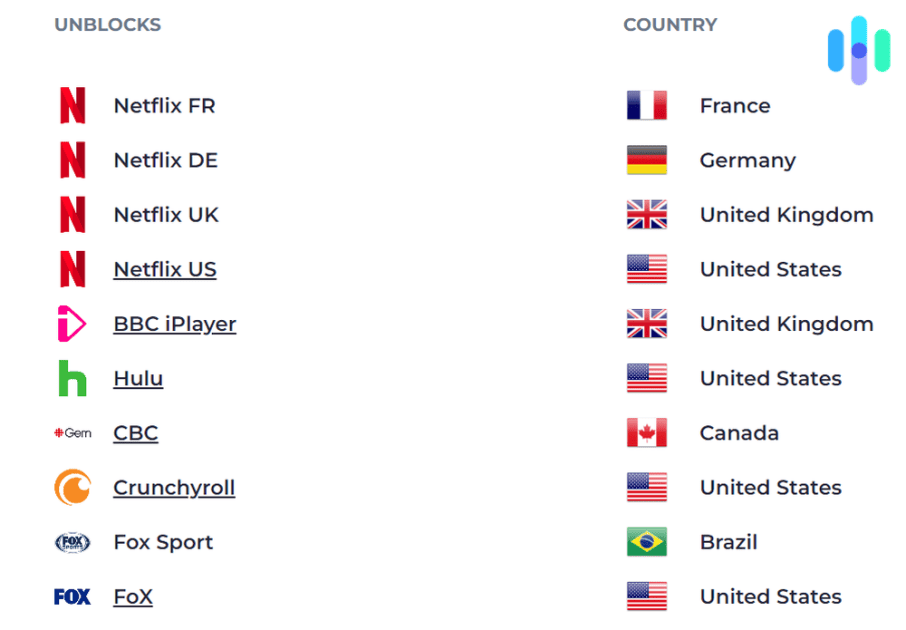
When you connect to a VPN, your actual IP address is hidden, and you are assigned a temporary IP address from the VPN server you've chosen. If you select a VPN server in, say, Japan, then to any website or game server, it will appear as if you are browsing or playing from Japan. This virtual relocation allows you to bypass geographical restrictions on games, early access titles, specific regional game servers, or even content within platforms like streaming services that are tied to location. It's a straightforward way to expand your gaming horizons and connect with a wider global community of players, making it easier to jump into popular global trends or specific regional esports events.
What About Security and Privacy When Gaming Online?
In 2026, online security and privacy are no longer optional extras; they are fundamental necessities, especially for gamers who spend significant time online. When you're immersed in a free-to-play title, participating in a social game on mobile, or coordinating strategies on Discord, you're sharing data. A gaming VPN provides a robust layer of protection for your digital footprint. Firstly, it encrypts all your internet traffic, making it unreadable to anyone trying to intercept it – including hackers, your ISP, and even government agencies. This means your personal information, gaming credentials, and any in-game purchases are far safer.
Secondly, VPNs offer significant protection against Distributed Denial of Service (DDoS) attacks. These attacks are unfortunately common in competitive online gaming, where a disgruntled opponent might try to flood your network with traffic to force you offline. By masking your real IP address, a VPN makes it extremely difficult for attackers to target your connection. Your connection to the game server is routed through the VPN's infrastructure, which often has stronger DDoS protection than a typical home network. This dual benefit of data encryption and IP masking ensures a more secure and private gaming experience, letting you focus on the game without worrying about malicious interruptions or privacy breaches.
Are There Any Downsides or Risks to Using a Gaming VPN?
While gaming VPNs offer significant advantages, it's important to be aware of potential downsides and risks to make an informed decision. The primary concern for many gamers is a potential increase in ping or reduction in speed. While a VPN can often optimize routes, routing your traffic through an additional server can sometimes add latency, especially if the VPN server is far away from you or the game server, or if the VPN provider has slow infrastructure. Free VPNs, in particular, often suffer from overcrowded servers and limited bandwidth, making them unsuitable for gaming.
Another consideration is cost. Reputable, high-performance gaming VPNs typically come with a subscription fee. For budget-conscious gamers, this is an additional expense to factor in. There's also the risk of using a low-quality or untrustworthy VPN provider. Some free VPNs might log and sell your data, defeating the purpose of privacy. Always research and choose a VPN with a strict no-logs policy and a proven track record. Finally, while rare, some game developers or platforms might have terms of service that frown upon or even prohibit the use of VPNs to bypass geo-restrictions, particularly for accessing early releases or unfair competitive advantages. Always check game-specific policies if you're concerned, though using a VPN for general security and minor ping improvement is usually fine.
How Do I Choose the Best Gaming VPN for My Needs?
Selecting the right gaming VPN is crucial for maximizing its benefits while avoiding potential pitfalls. With so many options available, it's easy to feel overwhelmed. Here are the key factors a discerning gamer, balancing life and play, should consider. First, prioritize server network and speed. Look for providers with a vast global network, especially servers located close to your desired game servers. Fast connection speeds and low ping are paramount, so check for VPNs that advertise optimized gaming servers or low-latency protocols like WireGuard. Many premium VPNs will offer speed tests or trials, which are excellent for evaluating performance.
Second, consider security features and privacy policy. A strict no-logs policy is non-negotiable to ensure your online activities remain private. Features like a kill switch (which disconnects your internet if the VPN drops) and strong encryption protocols (like AES-256) are essential for protecting against DDoS attacks and data breaches. Third, ease of use and device compatibility matter. You need a VPN that's easy to install and manage across your PC, mobile, and potentially even console (via router setup). Look for intuitive apps and responsive customer support. Finally, price and money-back guarantees are important. While free VPNs are generally not recommended for gaming due to performance and privacy issues, many premium services offer affordable plans and a 30-day money-back guarantee, allowing you to test the service risk-free. Invest in a reputable provider to ensure value for your money and a consistently smooth gaming experience.
Tips for Setting Up and Optimizing Your Gaming VPN.
Once you’ve chosen a top-tier gaming VPN, getting it set up correctly and optimizing it can make all the difference. Don't just install and forget; a few tweaks can significantly enhance your experience.
Choose the Right Server Location: For reducing ping, connect to a VPN server that is geographically closer to the game server you're playing on, rather than just closer to you. For accessing geo-restricted content, select a server in the target country. Experiment with different servers within a region to find the fastest one.
Use the Fastest Protocol: Most modern VPNs offer various protocols like OpenVPN, IKEv2, L2TP/IPSec, and WireGuard. WireGuard is often the fastest and most efficient for gaming, offering a good balance of speed and security. Check your VPN's settings and switch to WireGuard if available.
Enable a Kill Switch: This essential security feature automatically disconnects your internet connection if your VPN connection drops. This prevents your real IP address from being exposed and keeps your data secure during any unexpected VPN interruptions.
Split Tunneling (If Available): Some VPNs offer split tunneling, which allows you to choose which applications use the VPN connection and which bypass it. You can set your game to use the VPN for optimized routing while other apps use your regular internet connection, potentially reducing overall bandwidth usage on the VPN.
Test Your Connection: Before jumping into a competitive match, run a quick ping test or use in-game network diagnostics. Compare your ping with and without the VPN to confirm you're getting the desired performance boost. You can also use online speed test tools to check for drops in bandwidth.
Update Your VPN Client: Keep your VPN application up-to-date. Providers frequently release updates that improve performance, add new features, and patch security vulnerabilities. Regular updates ensure you're always getting the best possible service.
Consider Router-Level VPN: For console gamers (like PlayStation, Xbox, Nintendo Switch) or to protect all devices on your network, setting up a VPN directly on your router is an advanced but effective solution. This ensures all traffic from devices connected to that router is encrypted, though it requires a compatible router and some technical know-how.
By following these tips, you can transform your gaming VPN from a simple privacy tool into a powerful performance optimizer, ensuring your gaming sessions are smooth, secure, and frustration-free.
For the modern US gamer, balancing a demanding life with a passion for digital worlds, understanding what are gaming VPNs is no longer just for tech enthusiasts; it's a practical necessity. We've explored how a reliable VPN can be a powerful ally in your quest for seamless online play, offering solutions to common pain points like high ping, geo-restrictions, and privacy concerns. From optimizing connection routes to safeguarding against cyber threats and unlocking new content, the right VPN empowers you to take control of your gaming experience.
Remember, the goal isn't just to play games, but to enjoy them fully, connect with friends, and maybe even build new skills without unnecessary technical headaches. By choosing a reputable VPN provider and following simple setup and optimization tips, you can ensure your valuable gaming time is spent efficiently and securely. What's your biggest gaming challenge that a VPN could solve? Comment below and share your thoughts!
FAQ About Gaming VPNs
Q: Will a free VPN work for gaming?
A: Generally, no. Free VPNs often have overcrowded servers, bandwidth caps, and weaker security, leading to higher ping, slower speeds, and potential privacy risks that make them unsuitable for a good gaming experience. Investing in a reputable paid VPN is recommended for optimal performance.
Q: Is it legal to use a VPN for gaming?
A: In most countries, using a VPN is legal. However, some game developers or platforms might have terms of service that prohibit VPN use, especially for bypassing regional pricing or accessing early content. Always check specific game policies if you're concerned, but for general security and privacy, VPNs are typically fine.
Q: Can a VPN protect me from DDoS attacks?
A: Yes, a good gaming VPN can significantly protect you from DDoS attacks. By masking your real IP address, it becomes much harder for attackers to target your specific connection. Your traffic is routed through the VPN server, which often has stronger DDoS mitigation capabilities.
Q: Does a VPN use more data?
A: A VPN itself doesn't inherently use significantly more data beyond the slight overhead of encryption. Your data usage will primarily depend on your gaming activity. However, if your ISP was throttling your connection before, a VPN might enable you to use your full bandwidth, which could feel like more data if you're now downloading or streaming more efficiently.
Q: Can I use one VPN subscription on multiple gaming devices?
A: Most premium VPN providers allow you to connect multiple devices simultaneously under a single subscription, usually ranging from 5 to 10 devices. This means you can protect your PC, mobile, and potentially even console (via router setup) with one account.
Q: Will a VPN drain my mobile gaming device's battery faster?
A: Yes, running a VPN client on your mobile device does consume additional battery power. The encryption and constant connection to the VPN server require processing power and data transmission. For extended mobile gaming sessions, you might notice a quicker battery drain.
Gaming VPNs improve ping and reduce lag for smoother gameplay. They bypass geo-restrictions to access region-locked games and servers. A VPN enhances online security and privacy, protecting against DDoS attacks and data theft. It can help avoid ISP throttling that slows down your connection. Selecting a reputable VPN with fast servers is crucial for optimal gaming performance. Setup is generally straightforward, making it accessible for most gamers.
35



Can You Change Steam Region Locations With A VPN In 2026 Best VPN For Gaming 800x480 . Best VPN For Gaming In 2026 Reduce Lag Play Safely VPN Gaming . The Best Free VPNs For Gaming In 2026 Best Free VPN For Gaming . 7 Top Choices For The Best Steam VPN In 2026 Best Steam Vpn. VPN Super VPN 2026 VPN By FATFAT TECHNOLOGY LIMITED 512x512bb


Split Tunneling What It Is How It Works And Easy Setup X VPN Tor Vpn . Best Gaming VPN 2026 Best Gaming Vpn 1140x641 . Best Gaming VPNs 2026 Fast Secure Low Latency VPNs Top Gaming Vpn . VPN Super TipTop 2026 App App Store 1200x630wa . Best Gaming VPN 2026 Low Ping No Lag Tested On VALORANT YouTube




Best Gaming VPN 2026 Best Gaming VPN NordVPN SAW . ExpressVPN Review India 2026 Is It The Right Choice In India Gaming Vpn 1 . Best Gaming VPNs Of 2026 Low Ping Geo By Gaming PC Guru 71mCbhfOTJL . Best VPN For Gaming In 2026 Top 10 VPNs For Low Ping Stability And ChatGPT Image Feb 23 2026 10 30 09 AM . Best VPN For Gaming In 2026 Top 5 Low Ping Picks VPN For Gaming 2 Scaled.webp


VPN Cat 2026 App App Store 1200x630wa . 5 Best VPNs For GameLoop To Play Without Limitations Best VPNs For GameLoop . Best Gaming VPN 2026 Best Gaming Vpn Nordvpn 550x309 . Best VPN For Gaming In 2026 No Lag And Strong Security Proton VPN Apps . Best VPN For Gaming 5 Unbeatable Picks For 2026 Eneba Hub Best Vpn For Gaming
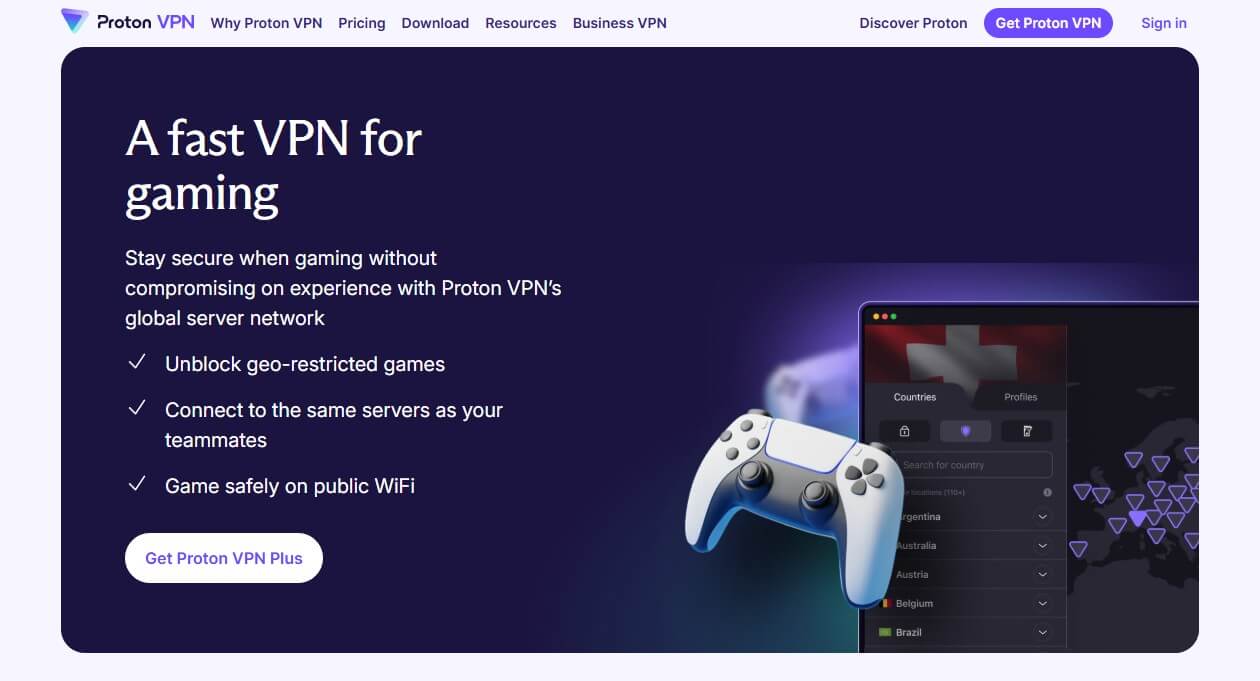
Best VPN For Gaming 7 Unbeatable Picks For 2026 Eneba Hub Best Vpn For Gaming . The Best Free VPN Services For Gaming In 2026 Best Free VPN Gaming . Best VPN For Gaming Low Ping 2026 Solutions For Zero Lag Cyberghost Vpn Best Budget Option For Low Ping Gaming.webp. What Is A Cloud VPN Pros Use Cases Business Value New X VPN For IOS Copy Scaled . Best VPN For Gaming In 2026 Reduce Lag Play Safely Proton VPN Gaming



Best VPN For Gaming In 2026 Paid Free Options Best VPN For Gaming Featured Image . Best VPN For Gaming Low Ping 2026 Solutions For Zero Lag Best VPN For Gaming Low Ping.webp. The Best VPN For Gaming Online In 2026 CyberGhost Cyberghost Gaming Vpn . Best Free VPNs For Gaming In 2026 Low Ping And Smooth Play Vpns Gaming . Best Roblox VPN 2026 Security And Unlimited Access For Players VPN Roblox 2026 Terbaik Melindungi Privasi Dan Akses Tanpa Batas 3756ba1bbf
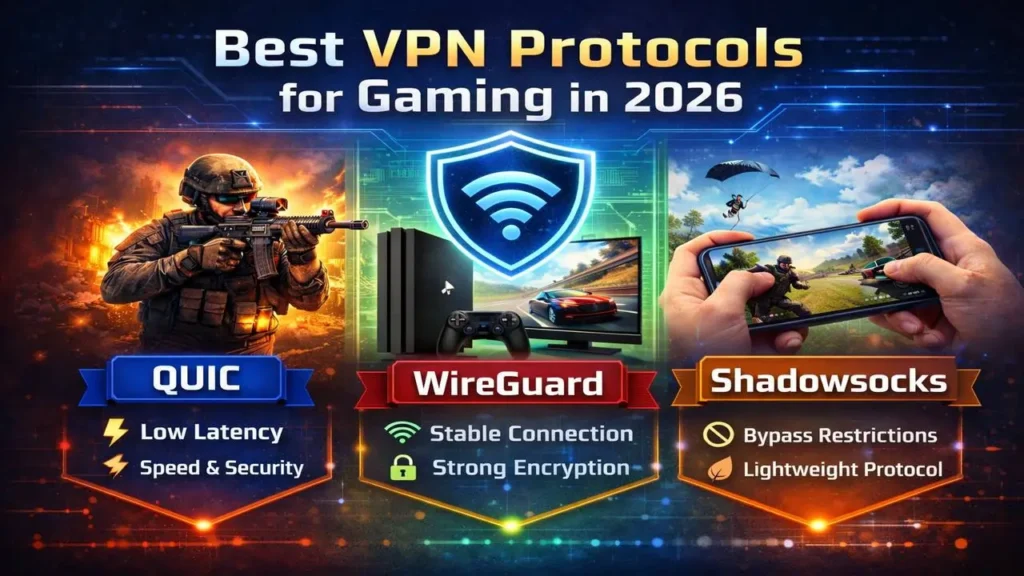


Best VPN Protocols For Gaming In 2026 Low Ping Stable Play Best Vpn Protocols Gaming 2026 1280x720 Under 500kb. Best Gaming VPNs 2026 Low Ping Fast Speeds DDoS Protection CyberGhost Streaming Optimized Servers And Locations 906x630 . VPN Cat 2026 By VPN FREE CO LIMITED 512x512bb . Best VPN For Gaming In 2026 Best Vpn For Gaming 1024x377 . Best VPNs For Gaming In 2026 Fast Speeds And Low Pings Best Vpn Gamming